
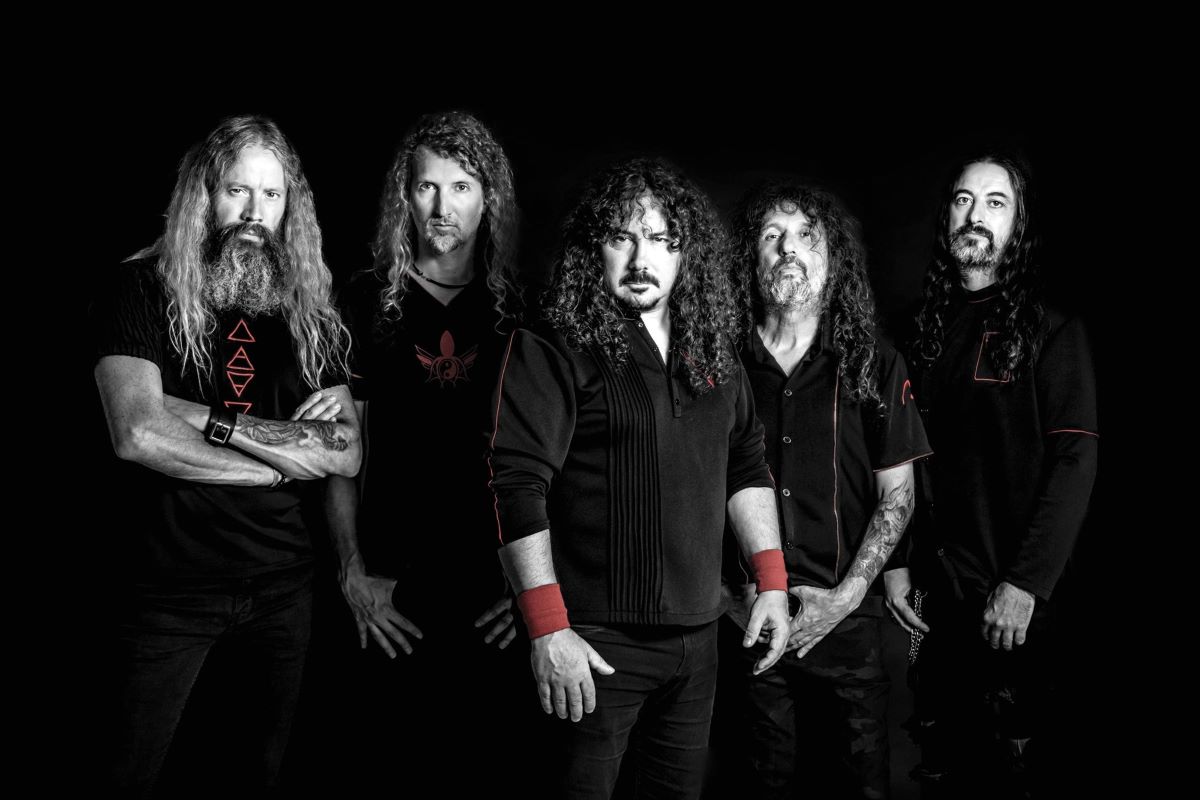
WarCry started as a side project by singer Víctor García and drummer Alberto Ardines during their time in Avalanch, only to grow into one of the most popular Spanish power metal bands after their departure from that band. One reason WarCry got so successful is because, despite releasing their debut album in 2002, they managed to distill the nineties Southern European power metal sound down to its essentials: a good main melody, an anthemic chorus, and a good build-up between them. This may not have worked as well with a cleaner singer than Víctor García, whose raspy, yet melodic approach just works.
Although Víctor García is the sole remaining original member, and the one who writes the vast majority of the songs, WarCry has become a well-functioning, tight-knit band. Guitarist Pablo García plays on every album, Víctor’s former Avalanch bandmate Roberto García took up the bass a few years into the band’s career, while drummer Rafael Yugueros and keyboard player Santi Novoa have been in the band for nearly two decades at this point. All Asturias locals, by the way. At the very least, that is a considerably greater deal of line-up stability than the band WarCry spun off from.
WarCry was likely the first Spanish-language band I listened to. The immediacy of their sound contributed to their material connecting with me so quickly, though I would argue that there is more depth to their music than that of most power metal bands going for a sound this straightforward. Interestingly, the order of the top three got shuffled around quite a bit while writing this Tools for Discovery. None of them is in the spot where I thought they would be beforehand. The relese of WarCry’s eleventh album ‘Entre la Niebla’ has been announced, but as of this publication, when exactly is still a mystery.
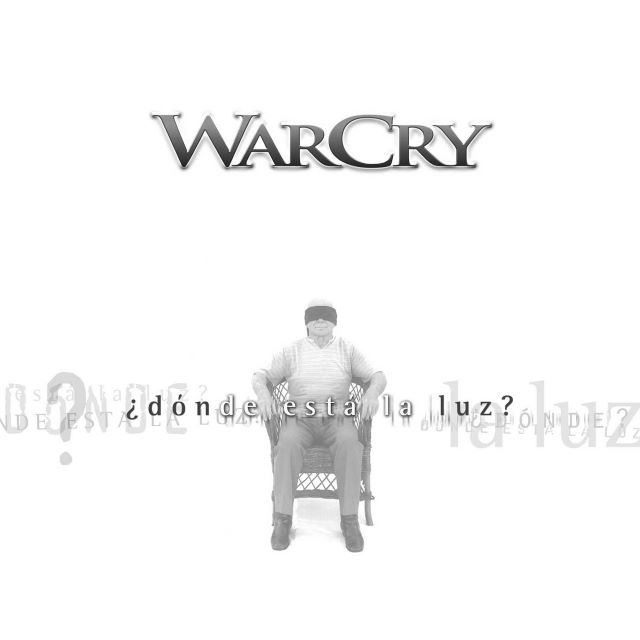
10. ¿Dónde Está la Luz? (2005)
Two things are always brought up when ‘¿Dónde Está la Luz?’ is discussed. First off, the strong focus on social themes in its lyrics. Secondly, the complete lack of double-bass drumming. That one isn’t entirely true; it’s clearly there in opening track ‘Nuevo Mundo’. It’s obvious that not having fast parts relying on double kicks was a goal in itself when writing the album, however, and the album suffers for it. While it is an effective way to challenge your own songwriting, it has resulted in a mid-tempo slog that never seems to end. It could have worked if more songs had a chorus as strong as the one in ‘Contra el Viento’ or if all the surprising songwriting perspectives weren’t tucked away near the end of the album. As it stands, though, ‘¿Dónde Está la Luz?’ is in dire need of variation.
Recommended tracks: ‘Hacia el Infierno’, ‘En un Lugar Sin Dios’, ‘El Último’
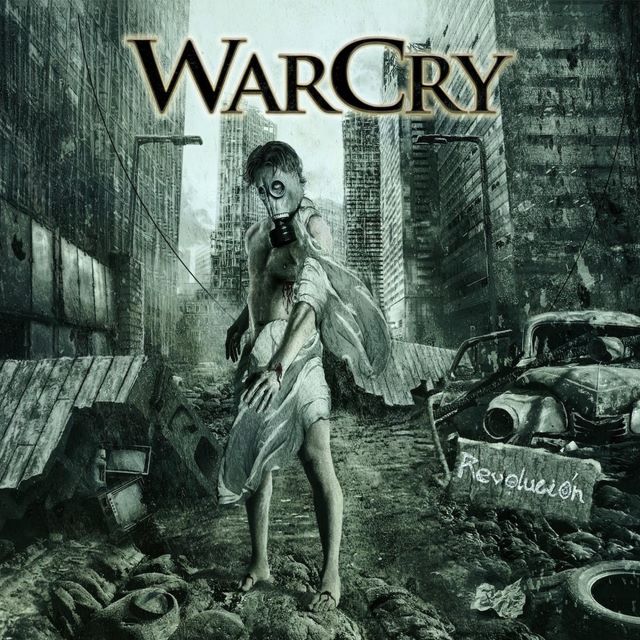
9. Revolución (2008)
‘Revolución’ finds WarCry well on its way to the blueprint of the sound they would more or less stick to from the next album onward, but not quite there yet. Maybe this is a problem that only I experience, but I don’t think ‘Revolución’ makes the best use of the line-up WarCry had in place here, which featured two guitarists and no keyboard player. Also, the album sounds a bit too dry here and there, and I can’t figure out if that’s the production or just unspectacular songwriting. Because in all honesty, some of the songs here are quite unremarkable until the chorus comes around, as those are solid and catchy almost without exception. Despite that, the songs don’t really stick, and ‘La Carta del Adiós’ is the only song I can recall if I haven’t listened to ‘Revolución’ for a while.
Recommended tracks: ‘La Carta del Adiós’, ‘Absurda Falsedad’, ‘Devorando el Corazón’
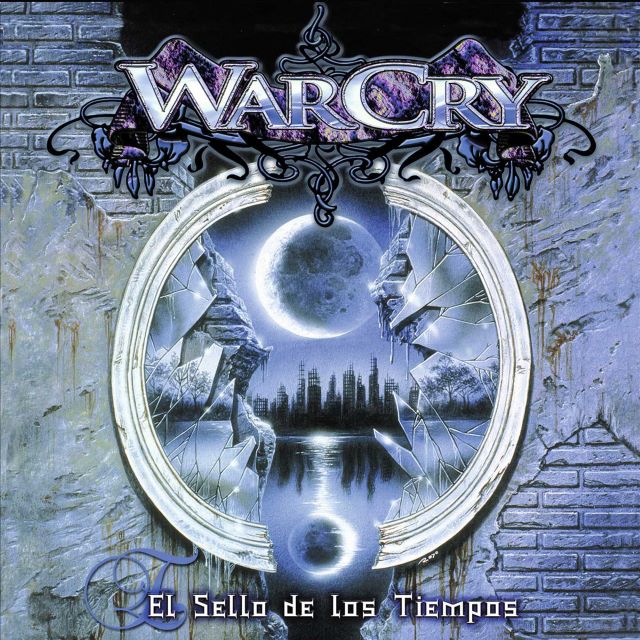
8. El Sello de los Tiempos (2002)
Released less than eight months after the debut, ‘El Sello de los Tiempos’ is the first album on which WarCry truly was a band, even though all the actual songs were still written by Víctor García. Manuel Ramil’s keyboards have become an integral part of the sound, and the arrangements are more ambitious. Not to the point that the music could be classified as progressive power metal, but there are hints that the band had been listening to Dream Theater. Unfortunately, part of the ambition is apparently that a good two-thirds of the songs on the album are at least a minute longer than they should be. That’s ultimately where it falls short compared to the debut. It’s an entertaining listen, though, and it shows some developments the band had to go through to be what they are today.
Recommended tracks: ‘Un Lugar’, ‘Dispuesto a Combatir’, ‘Tú Mismo’

7. Donde el Silencio Se Rompió… (2017)
It is not that much of a stretch to call ‘Donde el Silencio Se Rompió…’ WarCry’s second back-to-basics album, ‘¿Dónde Está la Luz?’, being the first one. This time, however, the differences with its predecessor aren’t quite as stark. ‘Donde el Silencio Se Rompió…’ does dial back the bombast quite notably, in favor of a fairly bare-bones approach that puts full focus on the riffs and the choruses. It works slightly better than on the previous back-to-basics release, because Víctor García has matured considerably as a songwriter, though it has to be said that the string of three highlights near the end has pushed it up this ranking by one or two places. Simple, but brutally effective crowdpleasers like ‘Así Soy’ and ‘Resistencia’ make the rest of the album fairly enjoyable as well, though.
Recommended tracks: ‘Por Toda la Eternidad’, ‘Odio’, ‘Muerte o Victoria’

6. WarCry (2002)
When their self-titled debut album was recorded, WarCry basically consisted of Alberto Ardines on drums and Víctor García doing everything else. Later guitarists Pablo García and Fernando Mon have recorded the guitar solos though. For what was essentially just a project at the time, the album is surprisingly accomplished. It features some excellent straightforward power metal songs, and Víctor’s voice is the perfect fit for them. The first half of ‘WarCry’ is considerably better than its back half, though, with ‘Hoy Gano Yo’ being the only later song that can match the first handful. There is an exceptional 45-ish-minute album in here somewhere rather than a fine hour-long one. ‘WarCry’ is a promising debut album, however, which shows that power metal really doesn’t need all the bombast to impress. A good riff and a few memorable melodies are sufficient.
Recommended tracks: ‘Señor’, ‘Luz del Norte’, ‘Pueblo Maldito’
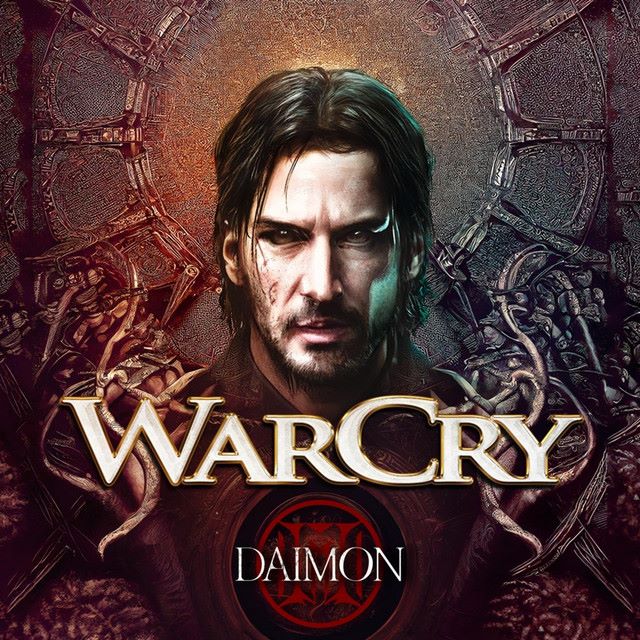
5. Daimon (2022)
Getting into ‘Daimon’ took me forever. ‘A por Ellos’ is a great opener, though a fairly atypical one for WarCry, being mid-tempo and fairly atmospheric. After that, however, the album doesn’t really get going until about halfway through. There are two AOR-esque tracks in ‘Que Se Vaya’ and ‘Para Siempre’, the latter of which is actually really good, but they wouldn’t have halted the momentum of the album as much if they were spread out a little more. Once ‘Daimon’ does get going, it shows some of the most sophisticated songwriting the band has attempted in a while. The songs are growers rather than the immediate impact its predecessor aimed for, and the overall atmosphere is a little darker, though there is always a glimmer of hope in Víctor García’s songwriting.
Recommended tracks: ‘Inténtalo’, ‘La Hora de Sufrir’, ‘Para Siempre’
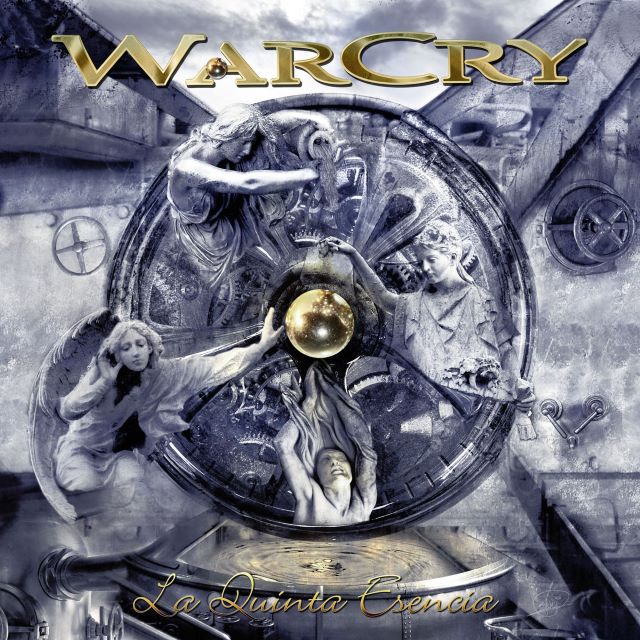
4. La Quinta Esencia (2006)
There isn’t a single WarCry album that sounds more like a reaction to its direct predecessor than ‘La Quinta Esencia’. After the dry, consistently mid-tempo, and frankly quite dull ‘¿Dónde Está la Luz?’, ‘La Quinta Esencia’ blasts right out of the gate with the fast, double-bass-laden ‘¡Qué Vengan Ya!’, showing little subtlety in the message that this is going to be a completely different album. Manuel Ramil’s keyboards are more prominent, sometimes lending a Symphony X-like touch to the songs. While European power metal is still the order of the day, ‘La Quinta Esencia’ is the second-most openly progressive WarCry album released so far. It is a bit short on true highlights compared to the higher-ranking albums, but that is almost entirely compensated for by its consistency and its excellent flow.
Recommended tracks: ‘¡Qué Vengan Ya!’, ‘Buscando Una Luz’, ‘Te Recuerdo Me Bastará’
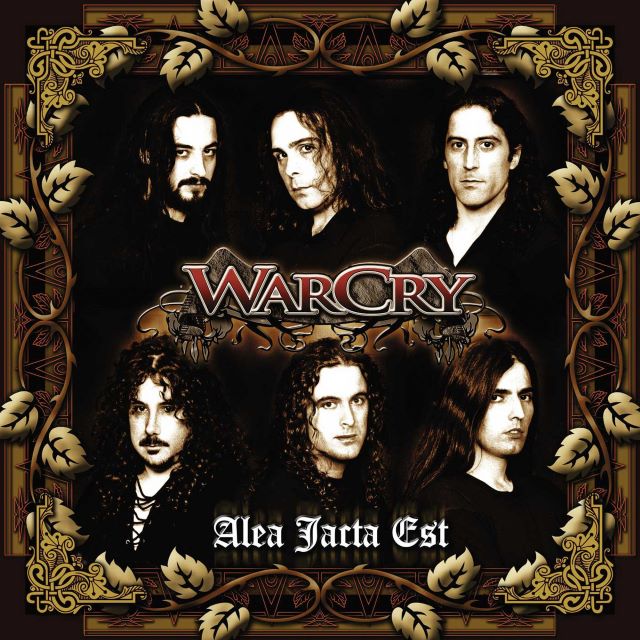
3. Alea Jacta Est (2004)
‘Alea Jacta Est’ is the WarCry album with the largest number of contributions from other songwriters than Víctor García by a significant margin, and it shows. No WarCry album has as much variation as this one, which is something that greatly benefits the album. The contributions from Pablo García and Manuel Ramil give ‘Alea Jacta Est’ a progressive incliniation that no other WarCry album has. Think Athena or maybe Labÿrinth rather than Dream Theater or Symphony X, though. It all ends up sounding like WarCry, however, and I don’t think that’s just because of Víctor García’s vocals. There is always a strong melodic theme and a massive chorus. What happens between them is just a bit more complex than usual. Also, ‘Despertar’ might just be the greatest song WarCry ever recorded.
Recommended tracks: ‘Despertar’, ‘Fé’, ‘Iberia’
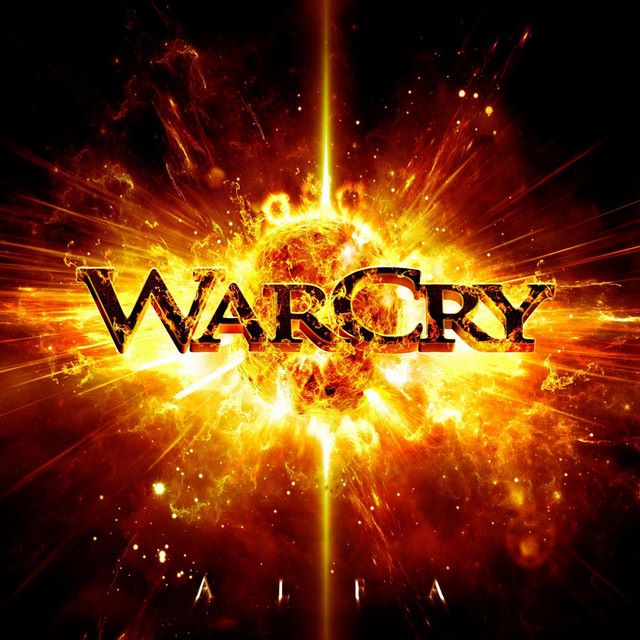
2. Alfa (2011)
Simply put, ‘Alfa’ is a consistently amazing set of songs. Where most of WarCry’s albums have clear highlights, one of the biggest strengths of ‘Alfa’ is the simple fact that the deeper cuts are every bit as good as the obvious crowdpleasers – ‘Amistad’, ‘La Muerte de un Sueño’ and ‘Ardo por Dentro’, in case you wonder. There are some songs on the back half of ‘Alfa’ that play around with ever so slightly more intricate song structures than what had become the norm for WarCry, though the focus is still on anthemic, fist-pumping power metal fun with huge choruses. Every song on ‘Alfa’ stands out in some way. Also, there is such an audible chemistry between this particular group of musicians that it is not too surprising that WarCry stuck with this line-up.
Recommended tracks: ‘La Muerte de un Sueño’, ‘Ardo por Dentro’, ‘Todo Es Infierno’
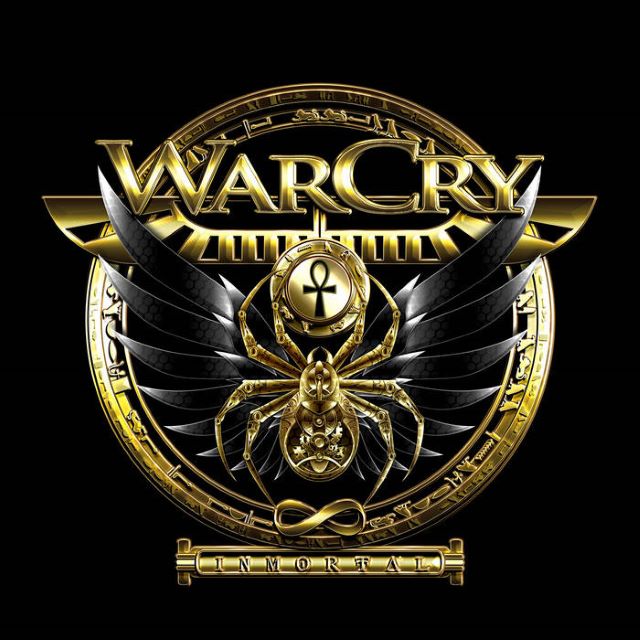
1. Inmortal (2013)
When an album kicks off with a track as supremely catchy as ‘Quiero Oírte’, you just know that you are in for a treat. It’s surprisingly melancholic for a WarCry opener, but it’s amazing. And ‘Inmortal’ doesn’t let up after that. The album splits up its punchier songs and its more epic moments exactly down the middle, which is an approach I’m usually not a fan of, but it works wonders in building up the tension and the atmosphere for ‘Inmortal’. Of course, “epic” is relative for WarCry, though the fantastically dynamic ‘Keops’ is in fact their longest song to date. No matter how long the songs get, however, they are always built around great melodies, and parts of ‘Si Te Vas’ and ‘Keops’ frequently randomly pop up in my mind. A masterclass in power metal songwriting.
Recommended tracks: ‘Quiero Oírte’, ‘Keops’, ‘Mi Tierra’
 Kevy Metal
Leave a comment