
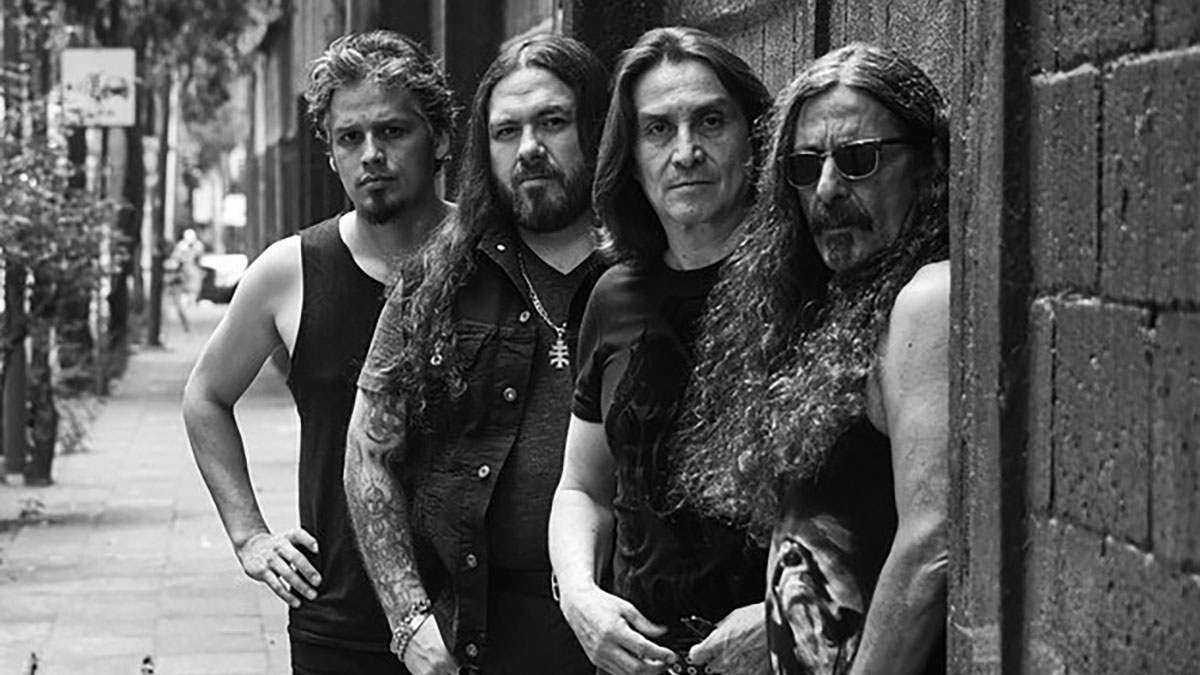
Luzbel is one of the founding fathers of the Mexican heavy metal scene. While they certainly weren’t the first heavy metal band in Mexico, guitarist Raúl Greñas, generally mononymously known by his last name, did play a big role in bringing the new wave of British heavy metal to the country. In fact, he played guitar in the British band Red for a few years prior to starting Luzbel in Mexico City. Luzbel never strayed from their NWOBHM roots; the heavier side of seventies hard rock and early heavy metal are the main ingredients of their sound to this day.
One thing Luzbel has working in its favor is that they somehow always manage to find fantastic singers. Even their worst singer is merely unspectacular. People generally point to the late Arturo Huizar as the classic Luzbel singer, and he was amazing, but I would argue their current singer Mike González is the best singer Luzbel has ever had. He has a theatrical, dramatic delivery, and yet he never becomes overbearing. Greñas also has a knack for writing songs seemingly specifically to suit whatever singer he is working with at the time, though it always ends up sounding like Luzbel.
For a while, there were two bands named Luzbel. When Luzbel split up – for the second time – in the mid-nineties, Huizar wanted to keep the band going without Greñas, eventually settling on the only slightly distinctive name Lvzbel, presumably to avoid legal trouble. Since these releases likely appeal to the same audience as Greñas’ Luzbel, I have decided to include the original Lvzbel studio albums in the list. Spoiler alert: I am very much on Greñas’ hand musically, though Lvzbel’s 1998 re-recorded odds-and-ends compilation ‘Evangelio Nocturno’ is an entertaining, if uneven listen.
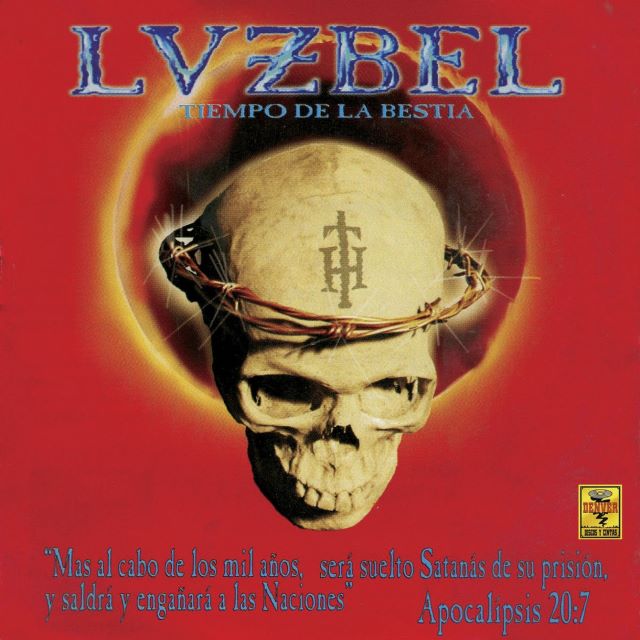
9. El Tiempo de la Bestia (2000)
Releases like ‘El Tiempo de la Bestia’ make me wonder how serious Arturo Huizar was about continuing Luzbel’s legacy to begin with. First off, the music barely sounds like Luzbel. Also, the album sounds like a demo that was recorded in the band’s rehearsal room with a single microphone. It’s not all terrible, though. The essence of a good album is here. Lvzbel is an altogether more aggressive beast than actual Luzbel, at times bordering on modern thrash metal. Guitarists Guillermo Jacome and Ricardo III are the MVP’s of ‘El Tiempo de la Bestia’. Their riffs are easily the best part of the album, and I wish they weren’t buried beneath hollow-sounding drums. Huizar himself is hit and miss, sounding best when he employs a delightfully aggressive semi-scream. Other times, sounds like he doesn’t know what to do.
Recommended tracks: ‘Mártires de Acteal’, ‘El Tiempo de la Bestia’, ‘Sobreviviente del Infierno’

8. Tentaciones (2007)
Huizar had not been sitting still in the seven years that had passed since ‘El Tiempo de la Bestia’ came out. A veritable cornucopia of Lvzbel compilations was released, followed by a Spanish-language Judas Priest tribute album in 2004, and it turns out he learned a lesson or two about creating a more cohesive album as well. I don’t want to oversell the qualities of ‘Tentaciones’ and its production. ‘El Tiempo de la Bestia’ has much higher peaks songwriting-wise, and this is still a million miles from anything released under the Luzbel moniker. At least ‘Tentaciones’ is a fairly solid heavy metal album, however, with much more consistently well-performed vocals by Huizar. It’s also nice to have a production job that, while not perfect, isn’t immediately headache-inducing. The songwriting is more even in quality, but also a little dull.
Recommended tracks: ‘Abaddon’, ‘Excelencia’, ‘Envidia’
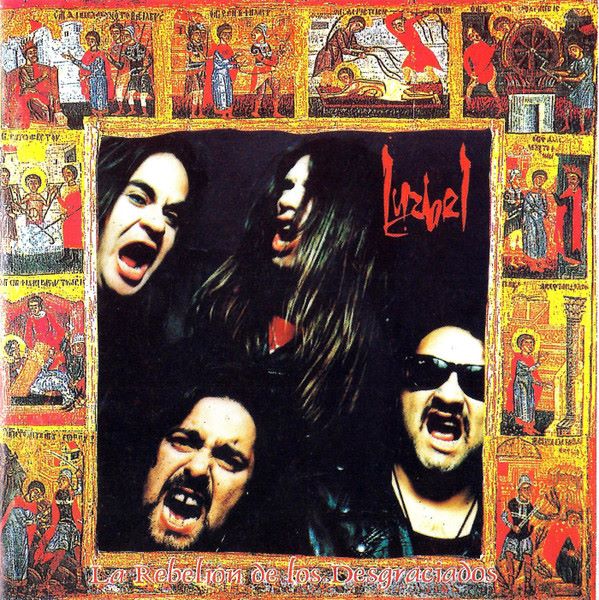
7. La Rebelión de los Desgraciados (1994)
‘La Rebelión de los Desgraciados’ was quite a big deal when it first came out, as it reunited Greñas with singer Arturo Huizar and drummer Alejandro Vázquez. But does the actual music justify it? The songs are generally good, and I applaud Luzbel for sticking to eighties-styled melodic heavy metal in a time when the trends in guitar-based music were turning towards grunge and groove metal. On the other hand, the production of ‘La Rebelión’ de los Desgraciados’ may be a tad too polished. It makes Huizar sound amazing, certainly much more so than on the Lvzbel albums he would continue to record. Greñas’ riffs, however, could have used a bit more of a push. Also, and this may sound strange for a 42-minute album, some of the songs from the back half really should have been cut.
Recommended tracks: ‘Alarido Nocturno’, ‘En el Filo de la Obscuridad’, ‘Sombras del Asfalto’
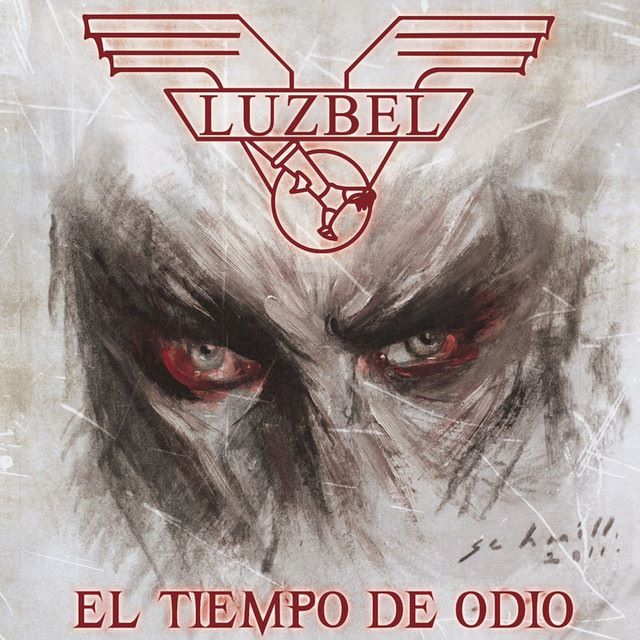
6. El Tiempo de Odio (2016)
At just over an hour, ‘El Tiempo de Odio’ is the longest Luzbel album by a significant margin, and that is its biggest problem. Honestly, I would love to rank this album higher, because Mike de la Rosa is a fantastic singer, and there is some good material here, but the album just loses me at some point. Especially around the middle, where Luzbel experiments with various styles. Which is crucial for an album this long, but the ominous, atmospheric title track is the only experiment that strikes me as successful. It stands out all the more because the album kicks off with a number of great concise heavy metal tracks and closes with a few cool songs with semi-epic tendencies. Even some of those don’t pack quite the same punch as before, though.
Recommended tracks: ‘Aúlla’, ‘Vas a Gritar’, ‘Destino Final’
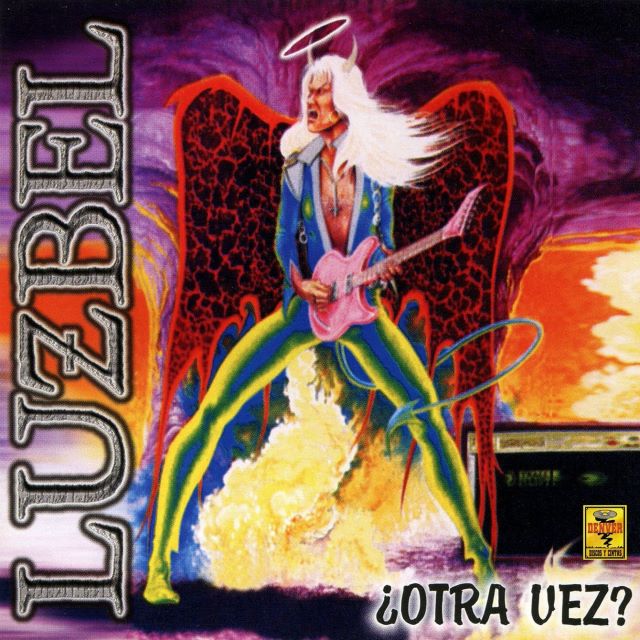
5. ¡¿Otra Vez?! (1989)
My main issue with ‘¡¿Otra Vez?!’ is its sequencing. The album really feels like it doesn’t properly start until five songs in. Sure, ‘Souvenir’ is a great ballad, but with the song material Luzbel had on hand here, it baffles me that these four songs are the ones they chose to kick off the album with. ‘Por Nadie’, which is a cover of the Beatles classic ‘For No One’, just screams bonus track to me. Past those four songs, however, ‘¡¿Otra Vez?!’ suddenly turns into an excellent eighties-style heavy metal album, and I swear that’s when Juan Bolaños starts singing better as well. Those last six tracks are twenty-one minutes of fantastic heavy metal, which is great, but also a little bit meager in the grand scheme of things. I do love how ‘¡¿Otra Vez?!’ was released with no less than two eyesores of album covers.
Recommended tracks: ‘La Muerte del Hechicero’, ‘Criaturas de la Noche’, ‘Plegaria de un Loco’
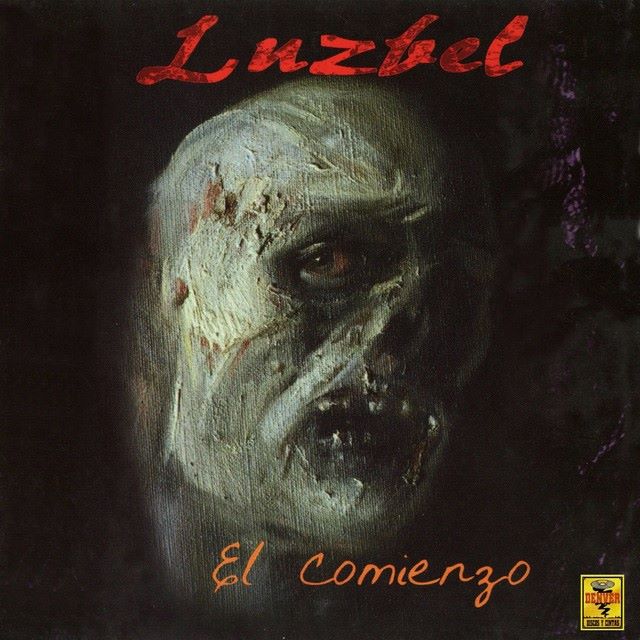
4. El Comienzo (1997)
‘El Comienzo’ compiles the three-song 1982 demo Greñas recorded with Red when he lived in England and – more interestingly – the eight songs that make up the unreleased Luzbel debut album from 1983. The song material clearly still has one foot in the seventies, the influence of British hard rock from the era being glaringly obvious. ‘El Comienzo’ must have sounded strange to fans of Luzbel’s earliest work, not in the least because this material was recorded before Arturo Huizar joined the band. Jorge Cabrera is notably less powerful, but he does have a good seventies rock voice, and there are some great harmonies here. I also think the compositions are surprisingly elaborate and unpredictable for something written so early in Greñas career. Not an essential purchase, but more than just an interesting historical artifact.
Recommended tracks: ‘Llantos y Murmullos’, ‘Susurro de Muerte’, ’12 P.M.’

3. Los Hijos de Adán (2024)
After introducing most of the current Luzbel line-up on the excellent 2019 EP ‘El Retorno a la Obscuridad’, ‘Los Hijos de Adán‘ had to prove whether they can maintain the listener’s attention throughout a full-length album. To me, it certainly is one of the best Luzbel albums so far, and not just because of Mike González’ incredible lead vocals. There’s just something delightfully unpretentious about the album. Stylistically, it kind of goes back to the earliest days of the band, when Greñas was mostly exploring the grey area between hard rock and traditional heavy metal. My preference generally goes to the heavy metal tracks, but there isn’t a single weak moment on ‘Los Hijos de Adán’, and it’s varied enough to leave me wanting more after its forty-ish minutes are over.
Recommended tracks: ‘Insomnio’, ‘Acechador’, ‘Los Hijos de Adán’

2. Pasaporte al Infierno (1986)
Now this is how heavy metal should sound. After seeming unsure about which way to go stylistically on 1985’s ‘Metal Caído del Cielo’ EP, next year’s debut full-length ‘Pasaporte al Infierno‘ finds Luzbel going for a traditional heavy metal sound with a strong focus on NWOBHM-inspired riffs, but with a unique flavor that sets Luzbel apart from the pack. The faster songs have distinct speed metal leanings, the more epic stuff a recognizably Latin sense of drama. Arturo Huizar delivers an incredible vocal performance for the ages, and Greñas’ guitars have just the right amount of grit. Another thing that sets ‘Pasaporte al Infierno’ apart from other heavy metal albums released around the same time are the fantastic melodic bass lines by Antonio Morante. ‘Pasaporte al Infierno‘ belongs in every serious old school heavy metal collection.
Recommended tracks: ‘Pasaporte al Infierno’, ‘Advertencia’, ‘Por Piedad’
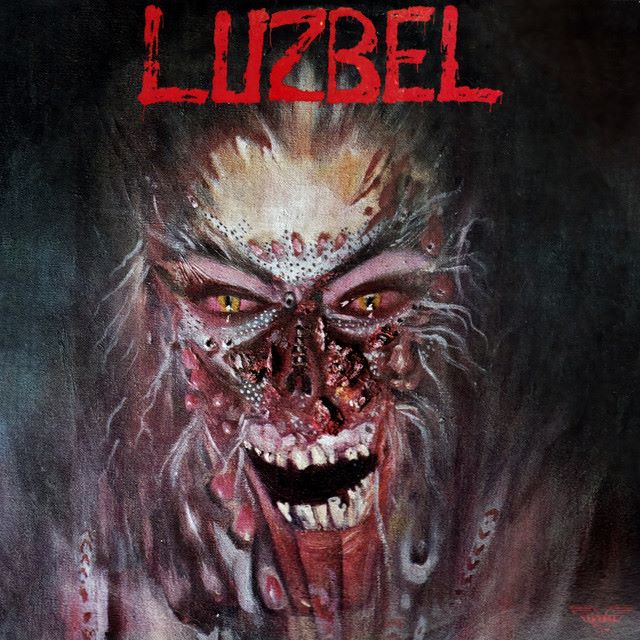
1. Luzbel (1987)
It took me a long time to decide whether Luzbel’s self-titled sophomore album or ‘Pasaporte al Infierno’ would top this list. Where ‘Pasaporte al Infierno’ has the near-perfect guitar tone and a once-in-a-lifetime performance by Arturo Huizar, ‘Luzbel‘ has the more aggressive riffs and the more intricate songwriting. Juan Bolaños has a less theatrical delivery than Huizar, but his voice might just be a better fit for these relatively dense song structures, and his piercing screams are spotless. This album is as close as Luzbel got to thrash metal without actually playing thrash metal. There is simply too much melodic singing and guitar playing to qualify as such. Also, the fact that it isn’t quite as immediate as its predecessor helps improve the replay value. It being only half an hour long means there is no filler either.
Recommended tracks: ‘Pecador’, ‘Persecución’, ‘Holocausto (Lluvia de Metal)’
 Kevy Metal
Leave a comment