
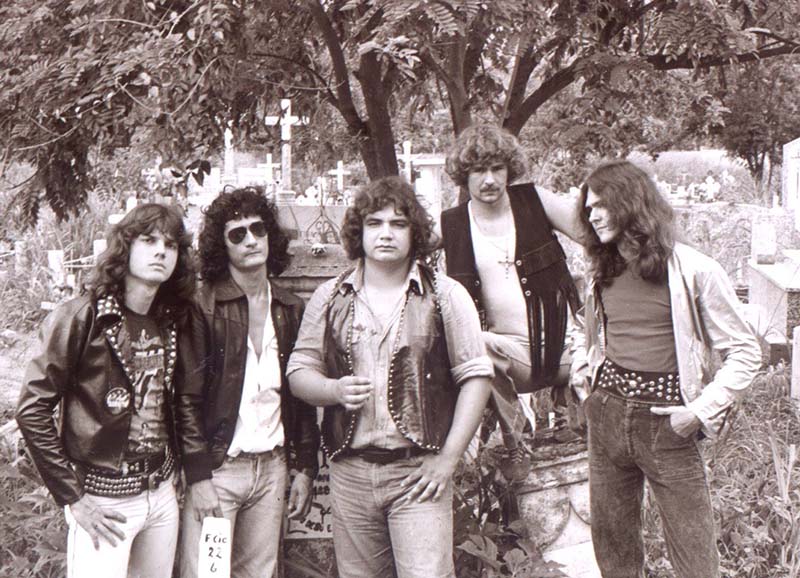
Having been founded in 1977 under the name Power Age, Arkangel was one of the earliest heavy metal bands in Latin America, alongside their fellow Venezuelans of Resistencia. Listening to the earliest works of both bands, Arkangel was a little less heavy and a little more hard rock-oriented, but they more or less explored every bit of the grey area between hard rock and heavy metal throughout their career. They are also one of the very few Venezuelan metal bands with a body of work big enough to actually rank, Gillman being the only other one I can think of.
There is an interesting link between both bands, as Paul Gillman was Arkangel’s original singer, and an important part of why they became so beloved in their national rock scene in the first place. Gillman left the band in 1984, but continues to occasionally perform live with them. The Picozzi brothers – Giancarlo on guitar and Giorgio on drums – are the only remaining original members, though bassist Felipe Arcuri has been with the band for thirty years, and founding guitarist Freddy Marshall played with the band until 2003. There has been a rotating cast of singers, but the rest of the line-up has been surprisingly consistent.
Arkangel’s career has been one of ups and downs, as well as long breaks between releases, but they do generally seem intent on delivering quality albums. They did occasionally shift their direction a little, with varying degrees of success, but their discography is generally worth exploring to see if some of these releases are worthy of your attention. Let’s dive into what is out there, starting with the release I would approach with the greatest amount of caution.
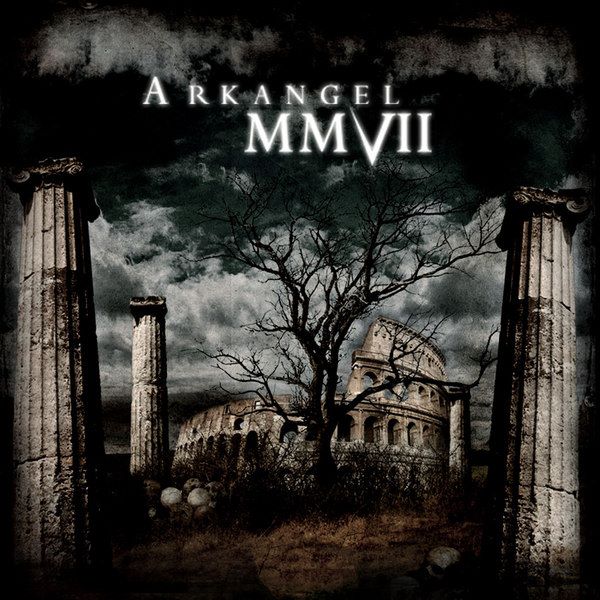
7. MMVII (2008)
Luis González is the most aggressive-sounding singer Arkangel has ever had, and the sound of ‘MMVII’ is largely facilitated by it. Both the guitar sound and the riff work is notably more abrasive here, though not so much that the album moves into thrash metal territory. ‘MMVII’ is a modern heavy metal album with a certain bite, though it is at times a little one-dimensional. González has more strings to his bow than a gruff, aggressive bark, and he actually sounds very good on the moodier, darker stuff. Honestly, I wish there was more of it on ‘MMVII’. The album also gets more traditional-sounding as it goes along, so if the first few songs rub you the wrong way, check out the later ones.
Recommended tracks: ‘Presente Incierto’, ‘Ya No Creo en Ti’, ‘No Ores por Mí’
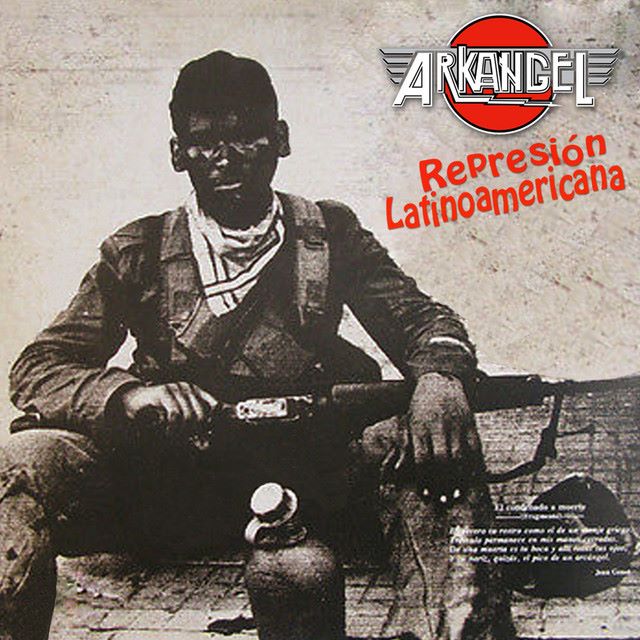
6. Represión Latinoamericana (1983)
‘Represión Latinoamericana’ shows a couple of significant improvements over the band’s earlier work. The playing is tighter, the production is more focused, and Paul Gillman’s voice is continually improving. However, the album also suffers from an identity crisis that ruins the flow, and in some cases, songs that would have been great otherwise. It’s obvious that Gillman and the rest of the band were trying to pull the band in different directions. Gillman wanted to carry on playing heavy metal, the others appear to be gunning for the AOR market with some horrible choices for keyboard sounds. Mickey Tedeschi is a fine player, but damn, does he get overbearing here. I will concede that ‘Tu Eres el Amor’ is a great ballad, but the songs that sprung from Gillman writing with Ernesto Ferro leave everything else in the dust.
Recommended tracks: ‘Desempleado’, ‘Juicio Final’, ‘Represión Latinoamericana’
5. Inmortal (1993)
A cassette-only release – though it is part of the 2003 compilation ‘The Wasted Years’ in its entirity – ‘Inmortal’ is generally considered an album, though I would say that at six songs and twenty-four minutes, it really is an EP. Also, ‘Paremos la Guerra’ dates back to the band’s demo days, though admittedly, it is a fantastic song, and performed well here. It is certainly more riff-driven than ‘Represión Latinoamericana’, though I prefer the more elegant classic heavy metal songs like the title track and the aforementioned ‘Paremos la Guerra’ over the looser rock ‘n’ rollers, especially because I think they suit Sergio Marín’s voice better. By no means a lost classic, but a very entertaining way to spend just under half an hour.
Recommended tracks: ‘Inmortal’, ‘Paremos la Guerra’, ‘Capitán Mandarria’
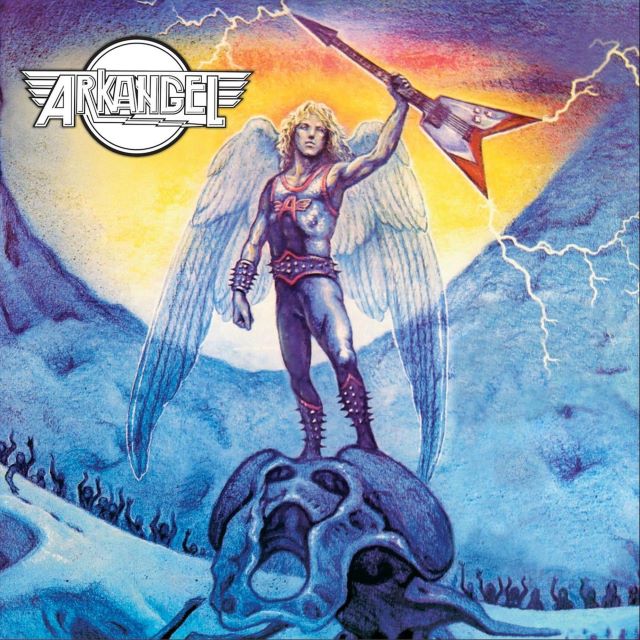
4. Arkangel (1981)
It would be easy to criticize Arkangel’s self-titled debut album for its flaws. The guitar sound may be among the worst I have ever heard on a properly released album, and Paul Gillman had not quite developed into the powerhouse singer he would later become. Both issues are exacerbated if you have heard Gillman’s re-recorded versions of these songs. But the fact remains that the album is full of great songs. Much of ‘Arkangel’ is clearly still rooted in British and American rock rather than heavy metal, but played with such conviction and energy that it’s impossible not to be impressed. At times, you can feel the limited technology holding the band’s ambition back – ‘Un Niño Nace’ being the most prominent example – but the foundation of something exceptional has been laid here.
Recommended tracks: ‘Asesino’, ‘Barón Rojo’, ‘Nada Es Eterno’
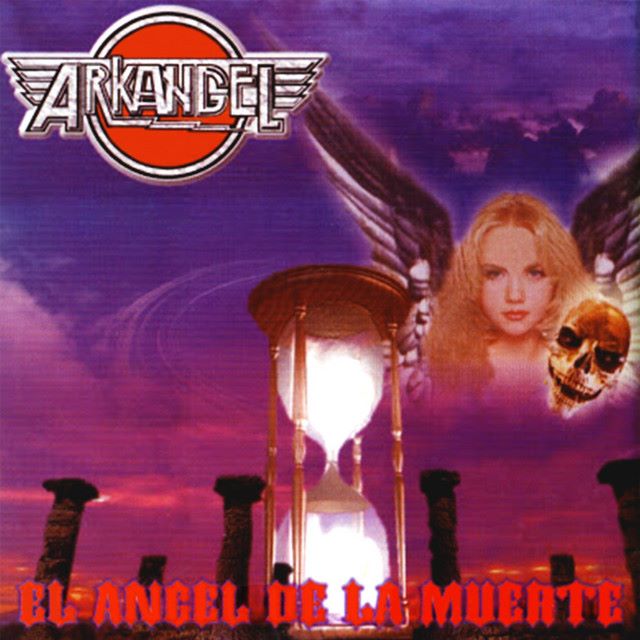
3. El Ángel de la Muerte (2000)
Something lit a fire under Arkangel’s asses before they started writing ‘El Ángel de la Muerte’. It might just be their most energetic release to date, and it’s justified to assume that the arrival of singer Joad Manuel Jiménez, whose spirited, often high-pitched performance elevates much of the material here, has something to do with it. At sixteen songs and 73 minutes, ‘El Ángel de la Muerte’ is fairly excessive in length, and that goes for some of the songs as well – ‘Dios Perdona, Yo No’ is a great song, but holy hell, does it run its chorus into the ground. The great outweighs the overlong, however. While ‘El Ángel de la Muerte’ is still largely a traditional heavy metal album, it has pronounced power metal leanings that make it sound relatively modern.
Recommended tracks: ‘Madre Tierra’, ‘Luces y Espadas’, ‘Motín en Occidente’
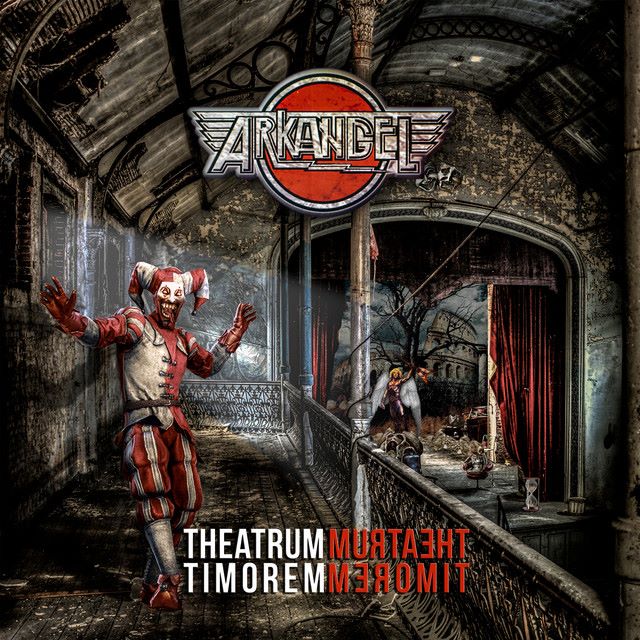
2. Theātrum Timorem (2019)
Where ‘MMVII’ showed Arkangel at its rawest and most aggressive, ‘Theātrum Timorem’ shows an altogether much more polished, melodic Arkangel, no doubt helped by the smooth timbre of Deibys Artigas. ‘Theātrum Timorem’ is the band’s best-produced album by a country mile. Stylistically, the closest comparison I can think of is the album Masterplan recorded with Mike DiMeo. It’s a similar kind of elaborately crafted, power metal-infused melodic hard rock, though subtly more complex than the average AOR-inspired metal band. The album is filled to the brim with great songwriting, and the arrangements have clearly been carefully considered in order to maximize the impact of the melodies and the riffs. Artigas is a fish in the water with this material, elevating it beyond even the already impressive quality of its songwriting.
Recommended tracks: ‘La Última Línea’, ‘Complaciente Suicida’, ‘Señales’
1. Rock Nacional (1982)
Half studio album, half live album, but ‘Libertad’ is the only song here that also appeared on the debut album. Arkangel live in 1982 must have been quite the sensation. The band sounds energetic, and the songs are great. The studio half of ‘Rock Nacional’ is my favorite part of the album, though. Giancarlo Picozzi and Freddy Marshall’s guitars sound a bit less shrill there, and the songwriting is a bit more geared toward heavy metal rather than the rowdy rock ‘n’ roll of the live tracks. ‘El Rey Dinero’ and ‘Castillo Sobre el Mar’ sound like they could be the missing link between Thin Lizzy and early Iron Maiden, and I never see ‘Calles Violentas (De la Gran Ciudad)’ mentioned often, but it’s a very classy early heavy metal song that deserves to be heard. If there is one release that best sums up the strengths of early Arkangel, it would absolutely be ‘Rock Nacional’.
Recommended tracks: ‘Calles Violentas (De la Gran Ciudad)’, ‘Castillo Sobre el Mar’, ‘Rock Nacional’

 Kevy Metal
Leave a reply to Album of the Week 50-2025: Sexto Sonar – Enfrentando la Realidad – Kevy Metal Cancel reply