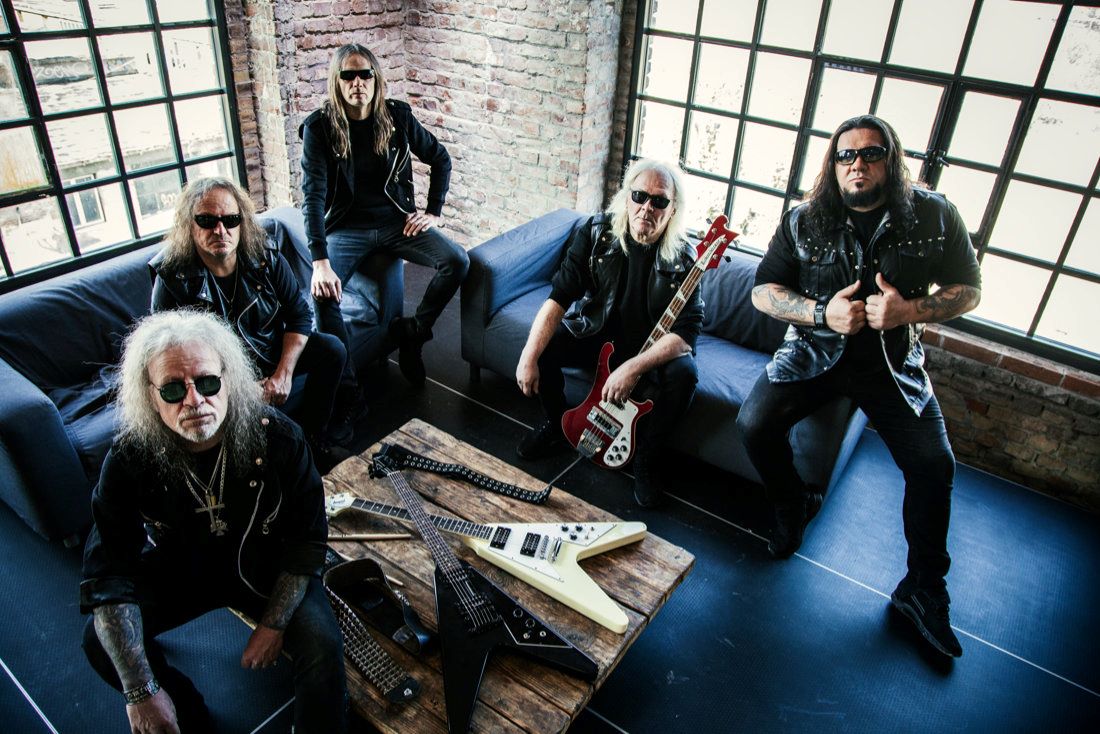
Omen is one of the three bands originally fronted by legendary Hungarian metal singer József Kalapács. He formed the band with guitarist László Nagyfi after they both left the highly influential Pokolgép. Originally, Omen was presented as somewhat of a supergroup, with drummer – and László’s brother – Zoltán Nagyfi having played with Ossian for a few years. Where Omen differs from the average supergroup, however, is that they have had an extremely long shelf life. They are still making quality albums today, and the Nagyfi brothers are the band’s rock solid backbone to this day.
It takes no more than a few minutes to hear why Kalapács and Lászlo Nagyfi had to start Omen. Where Gábor Kukovecz started exploring more classy, melodic territories with Pokolgép, the singer and the guitarist took the more meat-and-potatoes Judas Priest and Accept stuff with them to Omen, as well as the occasional AC/DC-esque barroom rocker. And although they modernized their sound considerably through the years, that is still how Omen sounds today, save for maybe the audible AC/DC influence. They don’t quite reach the heights of the band they spun off from, but they are a consistent, dependable band.
Kalapács stuck around until around 2000, when formed his own eponymous band with guitarist Lajos Sárközi. After a few years with Tibor Gubás, they were joined by Árpád Koroknai, who is my favorite Hungarian rock and metal singer. He was Omen’s most melodically gifted singer, and it shows on the material he recorded with the band. He has since been replaced by Péter Molnár, who is a great fit for the modern heavy metal sound Omen has on recent albums. There was a time when trying something modern didn’t work out quite as well, though…
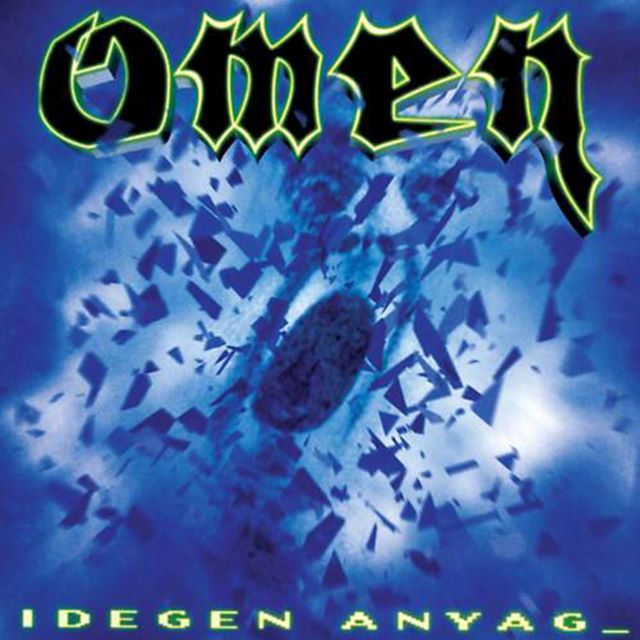
11. Idegen Anyag (1997)
Just staying awake through ‘Idegen Anyag’ is a challenge. Apparently by the mid-nineties, Omen had decided they had to get with the trends in modern metal. My main issue isn’t even that the band goes the groove metal route, as that would actually be a fairly logical step for them to make after a number of albums that focused mainly on mid-tempo material. The problem is that they largely lost their ability to make their riffs distinctive enough to be able to tell the songs apart at this point, and the excessive use of alternative metal-styled wah further adds to the complete and utter facelessness of the album. Thank goodness for the ballads, since closing track ‘Elölről’ is the only heavy song with a semblance of character.
Recommended tracks: ‘Híd’, ‘Szomorú Milliomos’, ‘Elölről’
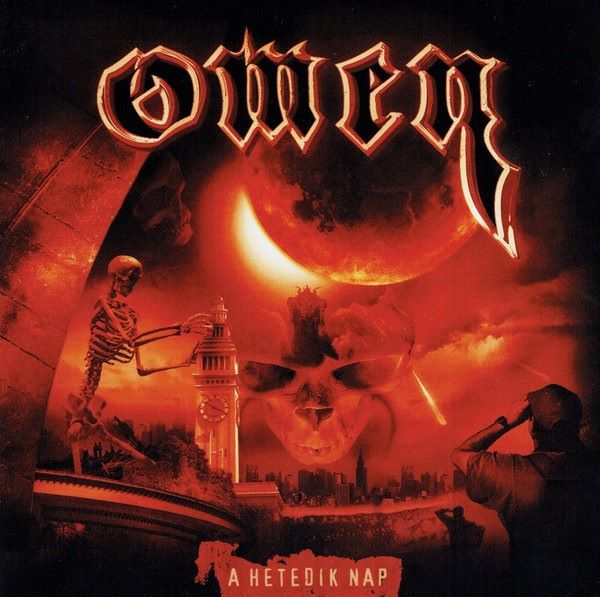
10. A Hetedik Nap (2006)
Is ‘A Hetedik Nap’ Omen as I would like to hear it? Not necessarily. Is it better than ‘Idegen Anyag’? Absolutely, and it’s not even close. Musically, it’s a similar type of groovy post-thrash metal that most veteran metal bands were going through around the turn of the century, although there isn’t a shred of hardcore to be found. Another thing that’s absent is the AC/DC-isms that occasionally popped up on the band’s early work, which is odd, as Tibor Gubás’ vocals are best described as a very aggressive Bon Scott. While he isn’t my favorite Omen singer, he carries the melodies well. László Nagyfi and Zsolt Daczi, who sadly died a year and a half after the album’s release at the age of only 38, show that groove metal leanings are perfectly acceptable if the riffs are memorable.
Recommended tracks: ‘Nincs Replay’, ‘Jobban Kell Majd Szerednem’, ‘Magas Vagyok’
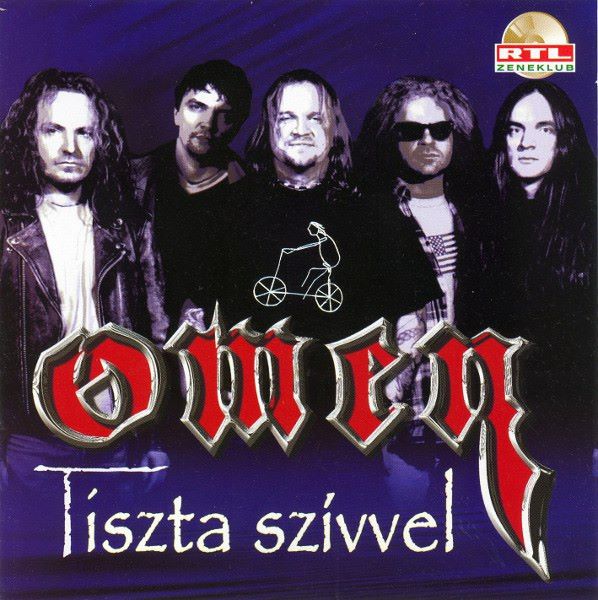
9. Tiszta Szívvel (2003)
Originally recorded and released with Zoltán ‘Oki’ Pintér on vocals, then re-recorded almost entirely with Tibor Gubás singing in 2006 under the title ‘Agymosás’. Since both albums contain almost exactly the same music, I have decided to group them together. No matter which version you get, this is the best release of Omen’s more modern groove metal-ish days. There is notably more variation to be found on the album, though it does hit a bit of a monotonous slog for a few songs about halfway through. Also, the riffs actually feel aggressive, especially compared to the more laid-back vibe of ‘A Hetedik Nap’. If you demand a definitive version, I would suggest ‘Tiszta Szívvel’. ‘Agymosás’ has better track sequencing, but I find Pintér’s voice a better fit, and the two missing tracks would have brought some additional variation.
Recommended tracks: ‘(N)agymosás’, ‘Tiszta Szívvel’, ‘Aztán Kesz’
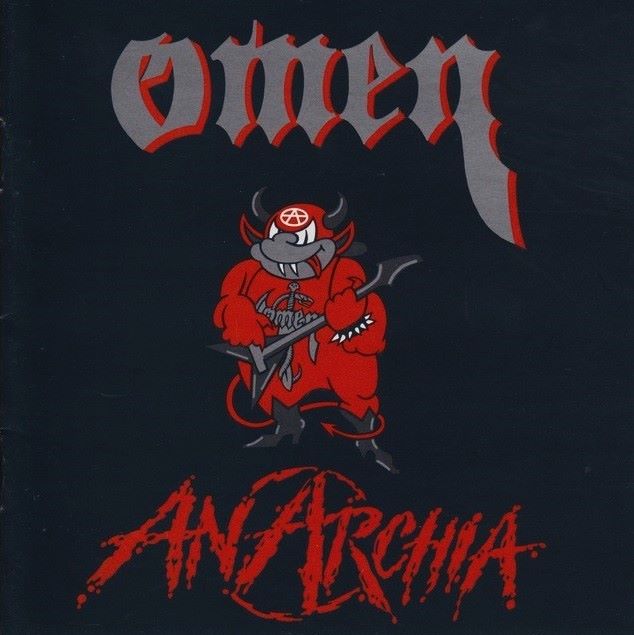
8. Anarchia (1993)
The worst albums to write about in Tools for Discovery are the albums that I don’t have much to say about either positively or negatively. ‘Anarchia’ largely falls into that camp. Save for a minor peak in the middle, the album just doesn’t do much for me. It just plods along at the same not-too-engaging mid-pace for most of the time. Having heard some of the songs on live recordings or the compilation of re-recordings ‘Best of Omen – 30 Év’, I have to admit that some of the songs work better without the context of the album. It just baffles me that Omen appears to have unlearned many of the lessons they learned during the writing sessions of ‘Brutális Tangó’.
Recommended tracks: ‘Kikapcsolok’, ‘Nincs Levegő’, ‘Észnél Legyél!’
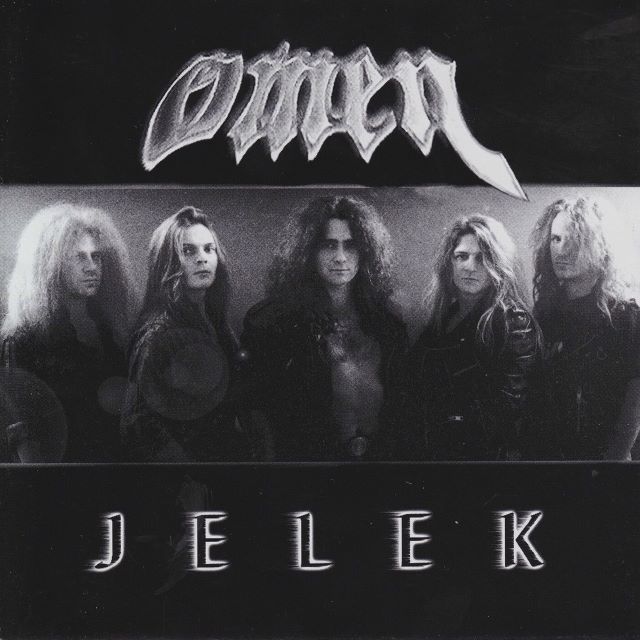
7. Jelek (1994)
‘Jelek’ is the first Omen album with guitarist Lajos Sárközi, who would later go on to become the most consistently great songwriter in Kalapács. He wrote a majority of the material on ‘Jelek’ as well, and it kind of shows. His songwriting isn’t quite at the level of his better Kalapács songs, but he does add some sorely needed melodic variety to an album that otherwise would have had a lot of the same issues as ‘Anarchia’ had. And so, there are some clear improvements to be heard in Omen’s sound. Most notably, their first good semi-ballad in the shape of ‘Fagyott Világ’. In a more general sense, though, ‘Jelek’ just features more memorable songs than its predecessor, which, given the accessible metal sound Omen is going for here, is of vital importance.
Recommended tracks: ‘Szeresd a Csavargót’, ‘Fagyott Világ’, ‘Jelek a Mélyből’
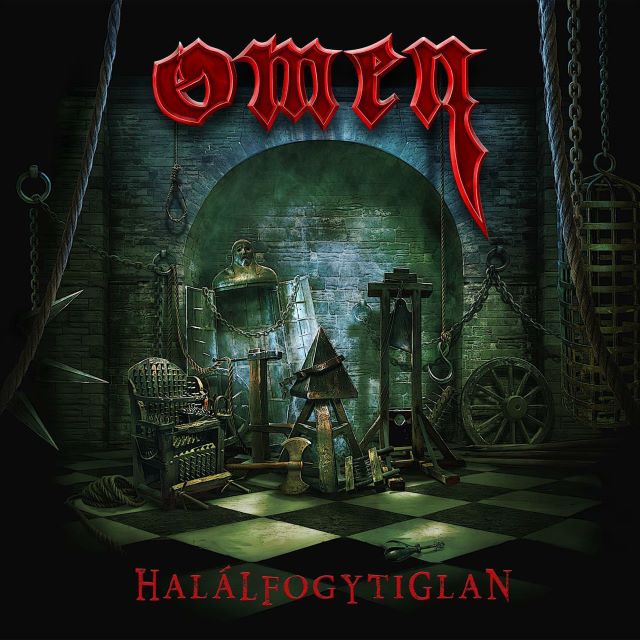
6. Halálfogytiglan (2019)
Current singer Péter Molnár’s first album with Omen is an altogether heavier affair than the two albums recorded with his predecessor at the helm. It’s recognizably the same band, but the change in sound works really well with Molnár’s deeper and slightly rawer voice. It hasn’t come without cost, though, as the less overtly melodic and considerably more riff-driven approach of ‘Halálfogytiglan’ makes the album as a whole slightly less memorable. The songs that stand out in that regard are, in fact, the songs that are a bit more driven by melodic themes. Generally, though, ‘Halálfogytiglan’ is a powerful, modern-sounding heavy metal album by a veteran band that convincingly shows they aren’t done just yet. It also doesn’t sound modern for modernity’s sake; this is just how Omen sounds with today’s recording technology.
Recommended tracks: ‘Az Lesz Ami Volt’, ‘Senki Lenni’, ‘Most Kesződik’
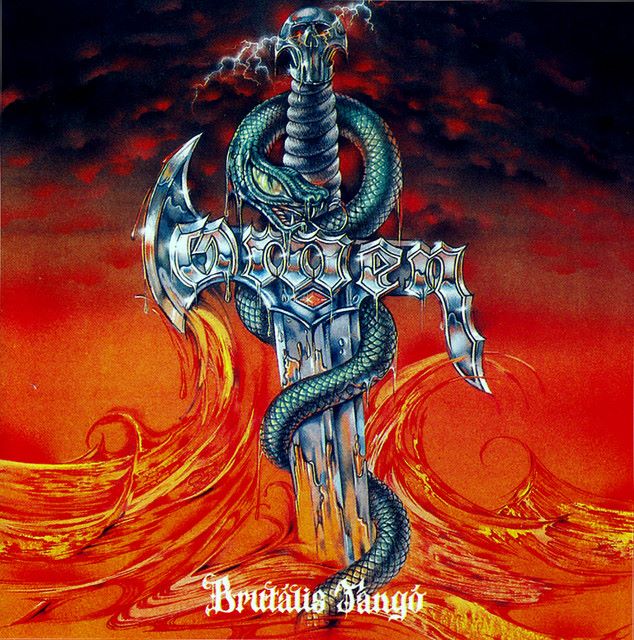
5. Brutális Tangó (1992)
Apart from having the greatest title in all of their discography, potentially in the entire history of Hungarian metal, Omen’s sophomore album ‘Brutális Tangó’ is where the band learned how to write memorable mid-tempo songs. Someone within Omen camp must have been really happy with that, because they are very prominent on ‘Brutális Tangó’, and the change has in fact come at the expense of the speed metal songs. To be fair, my main issue with bands that mainly focus on mid-tempo material is that everything sounds samey, and that certainly is not the case here. Most of the songs are extremely catchy – opener ‘Padlón Vagyok’ may just be the catchiest track Omen ever released – and every hook is very distinctive.
Recommended tracks: ‘Érezz Úgy…’, ‘Padlón Vagyok’, ‘Szólj, Hogyha Vagy!’
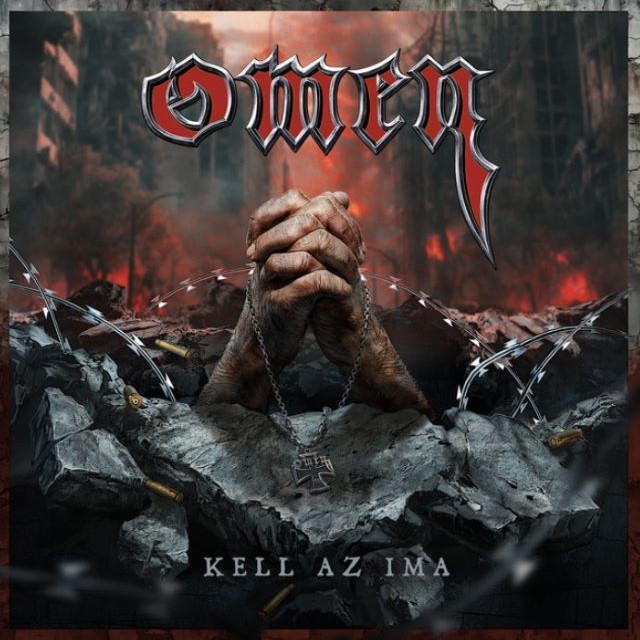
4. Kell Az Ima (2025)
Omen’s most recent album ‘Kell Az Ima‘ is largely cut from the same cloth as ‘Halálfogytiglan’, though its songs are slightly more concise, and the band clearly worked on making them stand out just a bit more this time around. Ultimately, that is why I prefer ‘Kell Az Ima’, even if it’s just by a hair. It proves that Omen understands consistency isn’t the same as monotony. Despite most of the songs on ‘Kell Az Ima’ being roughly the same pace – a groovy mid-tempo, to be exact – the band made sure that every song has a recognizable riff, a cool melodic theme or a stand-out chorus, often multiple in the same song. What might help is that none of the songs overstays its welcome. Only opening track ‘Kellenek az Imák’ passes the four-minute mark, and only just.
Recommended tracks: ‘Látszatkirályság’, ‘Kellenek az Imák’, ‘Kikövezett Út’
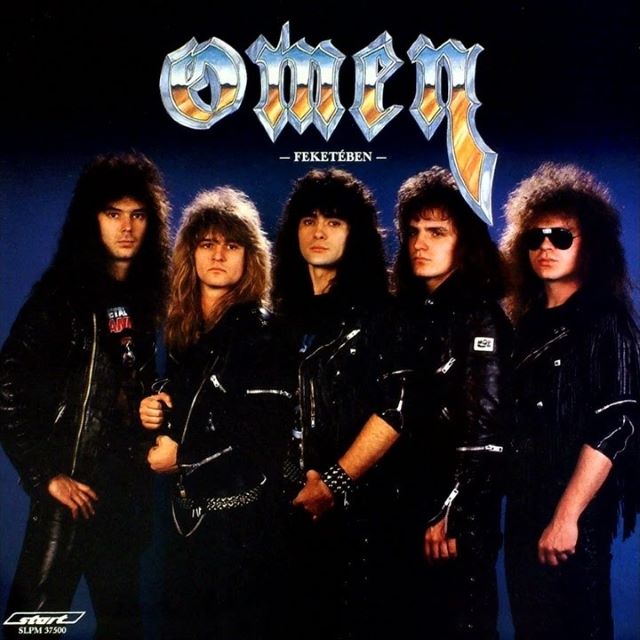
3. Feketében (1991)
The first three songs of Omen’s debut album do a great job of illustrating both the band’s strengths as well as why I generally strongly prefer the direction Pokolgép took. ‘Feketében’ starts out with a fantastic speed metal ripper in the shape of ‘A Harmadik’, only to follow it up with a dumb, glammy mid-tempo stomper and a dull, overlong ballad. From there, however, ‘Feketében’ is a solid, occasionally brillant slab of aggressive heavy metal with eighties-style playing and a production that has one foot in the nineties. ‘Könnyű Szivvel’ is a very successful first step toward a later specialty of Omen: a catchy hardrocker with the crunch of heavy metal. Better track sequencing could have improved ‘Feketében’, but that is compensated for by it being a speedier Omen album than average.
Recommended tracks: ‘Kisértetek Órája’, ‘Lányok Feketében’, ‘A Harmadik’
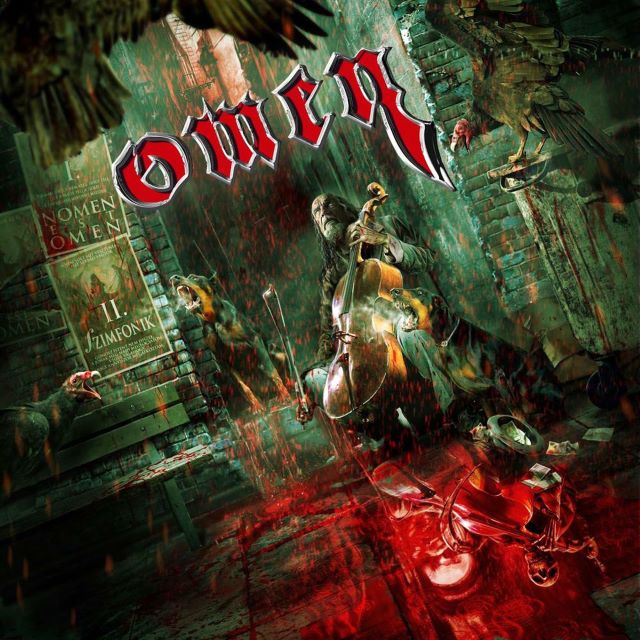
2. Nomen Est Omen (2012)
With the arrival of Árpád Koroknai, Omen found itself with much more melodic opportunities than before. Koroknai’s recording debut with the band – adorned with a title that was waiting to happen – has a few moments that are the closest Omen ever got to power metal, though it is classic Omen through and through compositionally, just with a new coat of productional paint. All of this allows the band to be slightly more dynamic than usual, resulting in the Omen album with the second-most pleasant flow. Also, the dark ‘Eltűnt 2007-Ben’ and the bluesy ‘Elválastva’ are among the best semi-ballads the band ever released. The double-cd version of ‘Nomen Est Omen’ comes with a cd full of symphonic arrangements of classic Omen songs. Nothing too special, but at least you get to hear Koroknai lend his fantastic voice to even more great songs.
Recommended tracks: ‘Világvége Talpollánó’, ‘Remélem Rémálom’, ‘Eltűnt 2007-Ben’
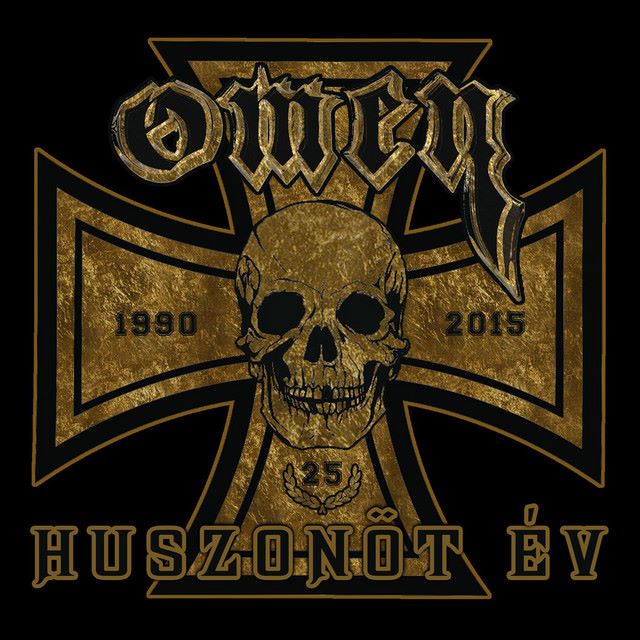
1. Huszonöt Év (2015)
Although the title ‘Huszonöt Év’ – “twenty-five years” in Hungarian – suggests some kind of special anniversary release, it’s actually a set of ten new songs, and Omen’s most consistently well-written set of songs to boot. Unlike most Omen albums, it seems like the hooks for ‘Huszonöt Év’ came first and the riffs later. That doesn’t mean there aren’t any good riffs on the album. In fact, it helped the riffs for every song become much more distinctive; you won’t mistake any two songs on ‘Huszonöt Év’ for each other. The album is simply the pinnacle of catchiness for Omen, which means it’s slightly more melodic than their other work, though it retains their strong, heavy bottom end. ‘Keresem’ is hands-down the best ballad they ever wrote, and Árpád Koroknai is the perfect singer for it.
Recommended tracks: ‘Testvér, Te Játssz a Mélynek’, ‘A Kémiáról Szól’

 Kevy Metal
Leave a comment