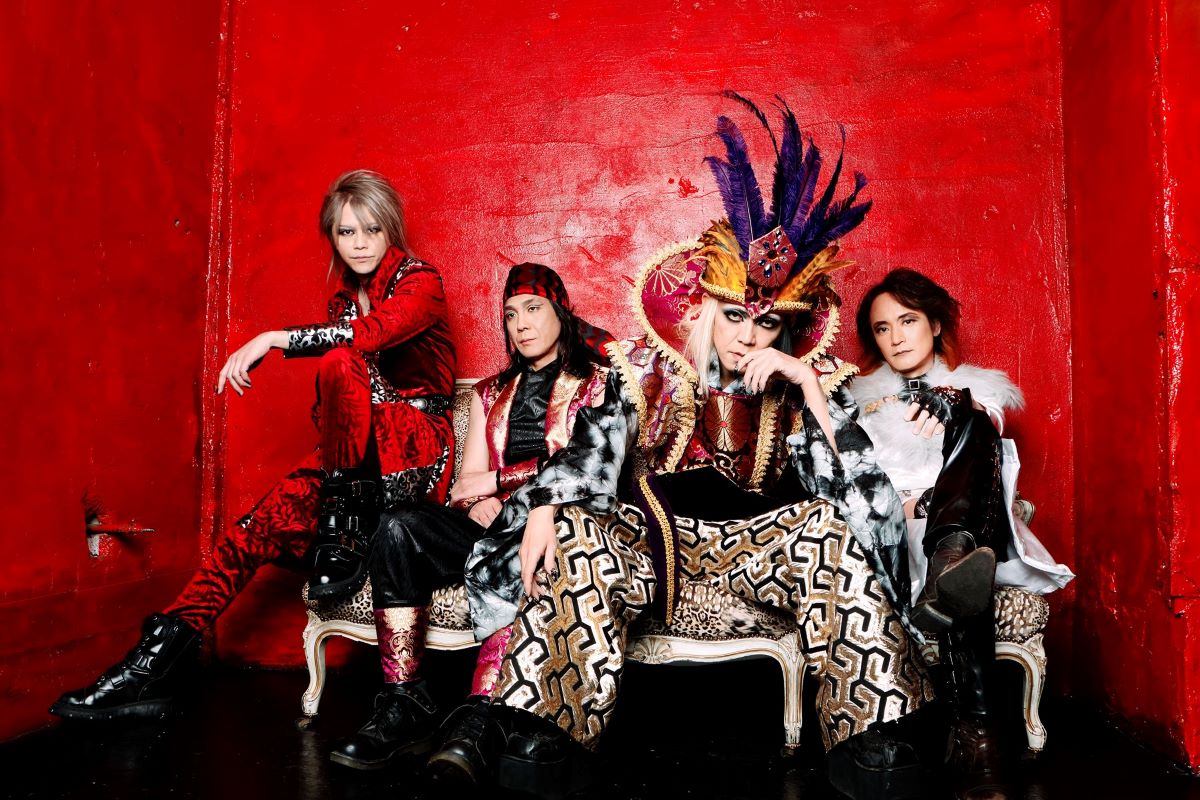
At first glance, Gargoyle appears to be one of those bands that can only happen in Japan. They blend several styles that don’t commonly mix in western metal, and they have a bright, colorful visual style based on ancient cultures, to the point where I would comfortably call them a visual kei band, though they don’t appear to be seen as one generally. Their music, however, largely consists of hyper-aggressive thrash metal riffs and classic heavy metal melodies, topped off with Kiba’s insane bark. There are some stylistic detours, most notably through funk-rock, though those get more limited in number as time goes on.
If there is one thing Gargoyle deserves respect for, it would be their work ethic. Until the band more or less imploded in 2018 – these days, Kiba is pretty much using the Gargoyle name for touring purposes exclusively – they released no less than seventeen original studio albums in twenty-seven years, plus a bunch of EP’s and re-recordings collections. Since a lot of these EP’s contain songs that would remain in Gargoyle’s live sets for years, I have decided to include those with only original material in the list. Those consisting solely of re-recorded songs will be left out.
Fans tend to split up Gargoyle’s career into at least two eras, the first being the four studio albums recorded with guitarist She-ja, who would later go on to form his own melodic thrash metal band Volcano. I would argue that the band has a third era as well, as they slowly streamlined their sound towards their trademark power/thrash hybrid shortly after slimming back down to a four-piece around the turn of the century. However, the changes are subtle enough for me to assure that if you enjoy one era of the band, you will probably enjoy them all.
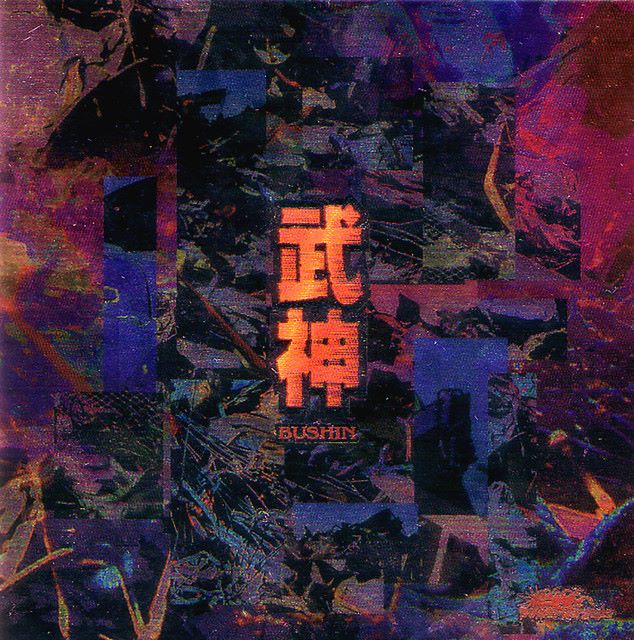
21. Bushin (2002)
The first EP of Battle Gargoyle, the project the band originally started to focus solely on their most aggressive material live, certainly fits the brief. All eight songs on this relatively long EP are brutal and aggressive, occasionally reaching death metal intensity. It’s also easy to hear why ‘Shinu Koto to Mitsuketari’ became Gargoyle’s biggest post-nineties live staple. It’s blunt, it’s powerful, and it’s damn catchy. That catchiness is what the rest of ‘Bushin’ lacks, however. When the initial impact of its relentless pummeling wears off, most of the riffs become very difficult to tell apart. And that surprises me, because memorability was always one of Gargoyle’s greatest strengths. Also, some songs on ‘Bushin’ feel a little haphazardly thrown together. A rare dud in a highly consistent discography.
Recommended tracks: ‘Shinu Koto to Mitsuketari’, ‘Hagure’, ‘Underground Market’
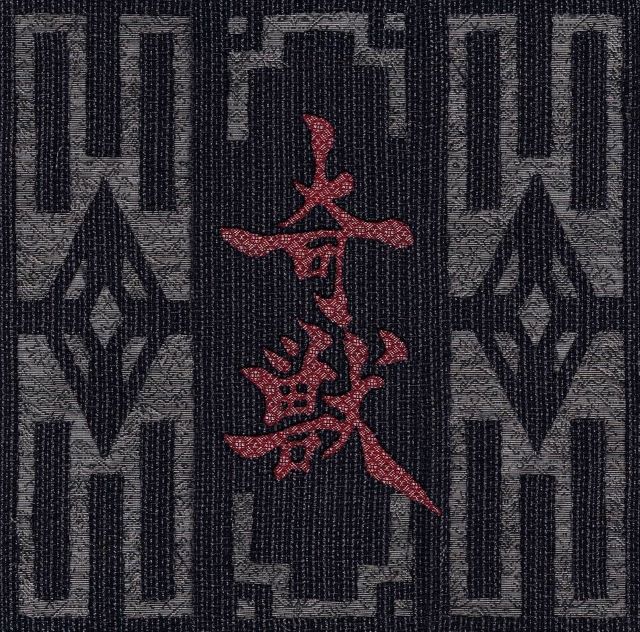
20. Kijū (2013)
On the surface, there is nothing particularly wrong with ‘Kijū’. The band mostly plays the power/thrash hybrid they had been exploring more or less exclusively for the past half decade or so, and the production of the album suits the material. The songs just don’t pack the punch that those on the other albums from that era do. There are a few where the band genuinely sounds tired, or like they were running out of ideas, which is always a risk if you release albums as frequently as Gargoyle did at the time. None of the other stuff Gargoyle released in this period had this issue, though. It’s a fun listen, but I wouldn’t be able to tell you what most of these songs sound like once the album is over.
Recommended tracks: ‘Yume Kajitsu’, ‘Kerberos’, ‘The Gun’
19. Wa (2002)
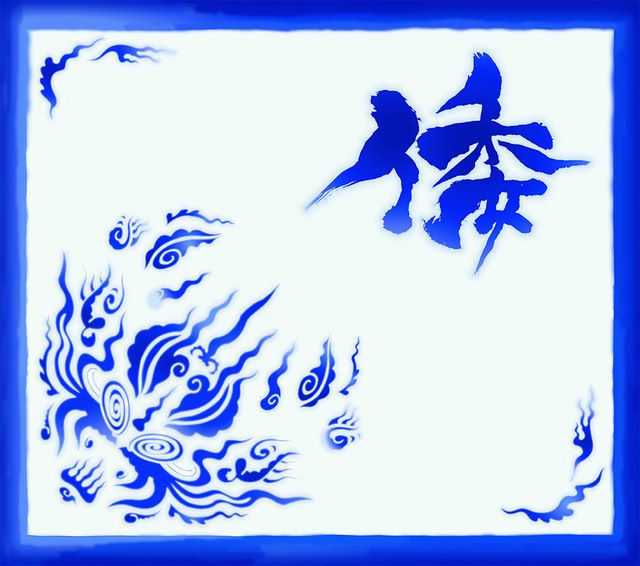
Gargoyle’s first album after slimming back down to a four-piece is a bit too laid-back for its own good. That may sound strange for an album with this many thrash riffs, and the combination of those riffs and the playfulness the band was known for works quite well, but ‘Wa’ lacks a serious amount of urgency. Part of it might be the production; even intense riff monsters sound like relaxed rockers on ‘Wa’. That would theoretically be beneficial to the funkrockers, but the ones that are here just aren’t as good as they used to be. The potential for a better album is definitely here, as live versions of the songs have proven, and it’s a fun listen, but ‘Wa’ isn’t the first album that springs to mind when I need my Gargoyle fix.
Recommended tracks: ‘Rising Sun ~Hiizuru ga Gotoku~’, ‘Kyokutō Gata Kansensei Seishin Osen’, ‘Ushinawareta Jidai ~Lost Generation~’
18. Natural (1995)
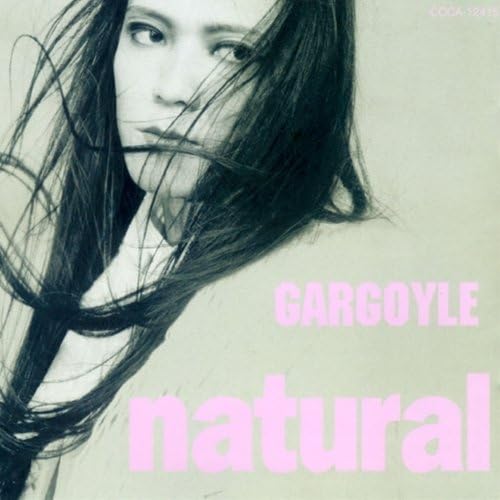
‘Natural’ is probably the Gargoyle album with the biggest difference between its peaks and its dips. It is indisputably the most experimental Gargoyle album, and I applaud its fearlessness. Some of the experiments just miss the mark. And then there are the ones that appear to work, until they don’t anymore, the confused electronic rocker ‘±0’ easily the worst offender there with its dreadful chorus. On the other hand, there are ripping thrashers like ‘Nōnai Jisatsu’ and ‘Shin I ~Providence for Decadance~’, one of the band’s most powerful and unique ballads in the title track, which kicks off the album, no less, and the gorgeously dramatic power metal closer ‘Kaze no Machi’ is in my top three Gargoyle songs of all time. Caution is advised, but there is a lot to enjoy on ‘Natural’.
Recommended tracks: ‘Kaze no Machi’, ‘Shin I ~Providence for Decadance~’, ‘Nōnai Jisatsu’
17. Ronpū (2006)
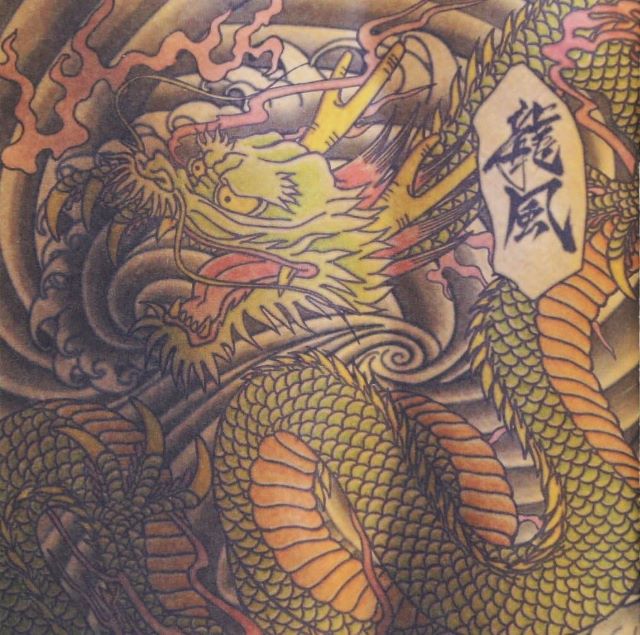
From what I can tell, the consensus seems to be that ‘Ronpū’ is Gargoyle’s weakest album. But while you certainly won’t hear me claim that it’s one of their best efforts, its only true flaw is that it’s short on highlights. They are certainly there; the tracks bookending the album are fantastic, even though closer ‘Rakuen ni Shisu’ is a fairly blatant attempt at recreating the magic of ‘Kaze no Machi’. At times, the album feels like Gargoyle wanted to go full power/thrash metal like they would on its follow-up, but they were afraid of what their audience would think of sacking the experiments. I certainly wouldn’t recommend starting with ‘Ronpū’, but if you enjoy the band, and all you want is simply more Gargoyle done well, this album has got you covered.
Recommended tracks: ‘Ningen no Jōken’, ‘Rakuen ni Shisu’, ‘1.618’
16. Future Drug (2000)
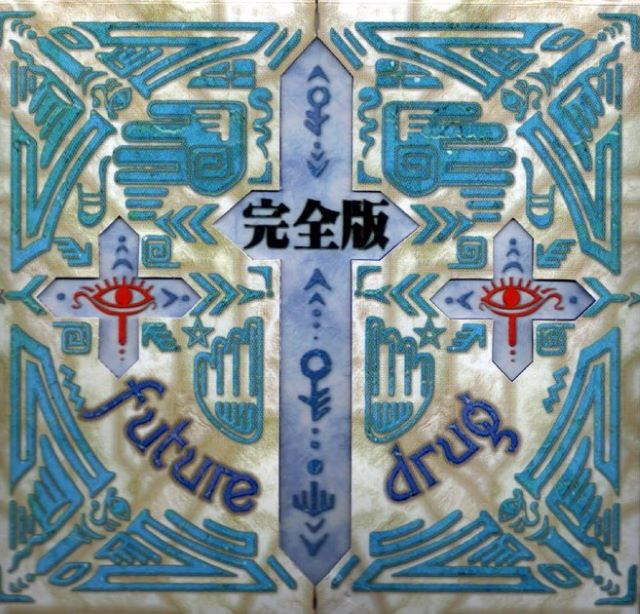
After a couple of somewhat experimental albums, ‘Future Drug’ sees Gargoyle largely returning to their thrash metal roots. At times, it even feels like a bit of an overcorrection, to the point that some songs could really have used a little more melody, though the album does have its fair share of enjoyable and supremely catchy songs. Perhaps unsurprisingly, my favorite is ‘Zipang’, which is vaguely reminiscent of early Overkill, but there is a lot more to enjoy. I just think that the impact of the punchy riffs could have been enhanced even further by making the album a little more dynamic. Judging this album’s flow properly isn’t made any easier by the fact that there are three versions of it floating around, and weirdly, only one of them features its title track in its entirity.
Recommended tracks: ‘Zipang’, ‘It’s Battle Time’, ‘Open the Gate’
15. Yaiba (2007)
Though there is room for one more funkrocker, ‘Yaiba’ is the first album on which Gargoyle fully establishes itself as a band that combines the unbridled aggression of thrash metal with the classy melodicism of power metal. And it does very well at that. It’s a little light on true highlights, though its borderline punky opener ‘Jet Tiger’ would become a justified live staple in its simple, yet bluntly effective catchiness, and ‘Iconoclasm’ annihilates everything in its way. ‘Yaiba’ would likely be the most difficult Gargoyle album for me to write a full-length review on, because I don’t have much to say about it either positively and negatively. It’s just a solid slab of power metal-infused thrash metal – not the other way around.
Recommended tracks: ‘Kachō Fūgetsu’, ‘Iconoclasm’, ‘Gokuraku Full Throttle’
14. Misogi (1989)
How can you not love a debut album that starts with all the subtlety of a bulldozer and kicks you square in the face with ‘Destroy’? ‘Misogi’ does just about every single thing a first album is supposed to do. The only reason why I cannot rank it any higher is the simple fact that Gargoyle would get even better, and it would not even take them long. Katsuji’s drumming in particular would improve beyond what anyone could reasonably expect in the year between ‘Misogi’ and its follow-up. Some things haven’t fully developed yet, though this version of closing ballad ‘Cogito, Ergo Sum’ is without a doubt the greatest one. It’s a dark, mysterious work of art that the remake can only dream to be.
Recommended tracks: ‘Cogito, Ergo Sum’, ‘Destroy’, ‘Purple Heaven’
13. Aratama (1992)
Over its first three songs, ‘Aratama’ was well on the way to becoming one of my favorite Gargoyle albums. Those first three songs are pretty much as perfect as Gargoyle’s combination of dramatic heavy metal melodies and thrash riffing got in the early nineties. And then the issues start. ‘Aratama’ features two re-recorded songs, both of which are inferior to their originals. ‘Cogito, Ergo Sum’ being robbed of its mysterious darkness by being turned into a vaguely glammy power ballad particularly rubs me the wrong way. Also, ‘Hito no Tame’ is my least favorite of their old funk-inspired songs. It does pick up again after that, ‘Propaganda’ is an especially vicious thrasher, but it never quite reaches the lofty standards set by the first three songs again. Both an essential album and a flawed one.
Recommended tracks: ‘Gaika’, ‘Open Sesame’, ‘Shin Ō’
12. Kisho (2011)
While ‘Kisho’ is stylistically consistent with the period in which it is released, it dials the aggression up even more compared to the previous few albums. Some of the album’s highlights even have a slight melodic death metal edge, most prominently the fantastic ‘Kage Ō’. Most of ‘Kisho’ sounds exactly the way I would like to hear Gargoyle, but maybe it should have been one or two songs shorter. It has very high peaks, divided quite nicely over the album as well, it’s just that other Gargoyle albums are more consistent, simply because ‘Kisho’ has a little too much filler material. When it hits, however, it hits like a freight train.
Recommended tracks: ‘Kowaku’, ‘Kage Ō’, ‘1 -Ichi-‘
11. Kemonomichi (2003)
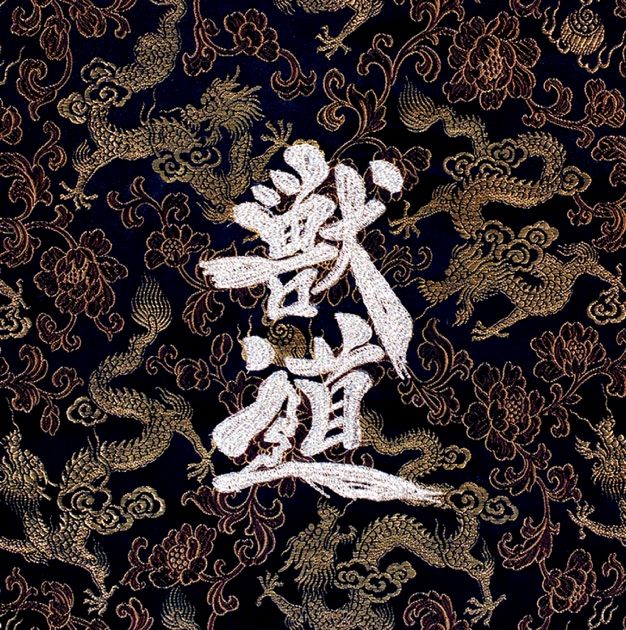
If it weren’t for some fairly glaring consistency issues, ‘Kemonomichi’ would have been in the running for one of my favorite Gargoyle albums. Prior to this one, the band always had its fair share of weird songs on their albums, but ‘Kemonomichi’ is one of the very few ones where all of those songs actually ruin the flow of the album for me. Maybe the band thought similarly, because this is the last album before they seriously cut back on those. The album deserves better, because secretly contains multiple songs that deserve to be mentioned among Gargoyle’s very best. It’s not just the blazing metal songs either; ‘Fukaki Rurō to Hateru Kagerō’ is one of the band’s better atmospheric tracks. Also, the ferocious rippers are catchier than ever.
Recommended tracks: ‘Kichiku’, ‘Aoki Kobushi’, ‘Bakudan Chūdoku’
10. Super Battle Gargoyle (2008)
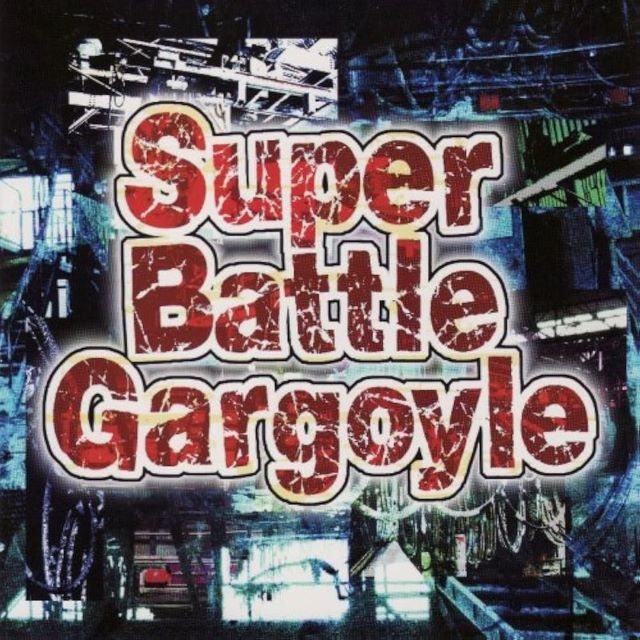
Generally considered an EP, though at eight tracks and 34 minutes, a very long one. On the surface, ‘Super Battle Gargoyle’ may appear to have similar issues to the first Battle Gargoyle EP. It focuses on brutality first and foremost, some songs again bordering on death metal, but the songwriting is much more distinctive this time around. Many of the riffs are extremely catchy, and while the intensity does not let up throughout the EP’s length, melodies are far more prominent than on ‘Bushin’. ‘Super Dogma’ might be my favorite remake of a Gagoyle song ever, and I can’t help but grin at the stupid fun of ‘Yellow Metal’. What really sets ‘Super Battle Gargoyle’ apart, though, is all the songs remain entertaining even after you get used to the EP’s consistently relentless aggression.
Recommended tracks: ‘Black Hole Hurricane’, ‘Trance Diver’, ‘Super Dogma’
9. Junreiin (1998)
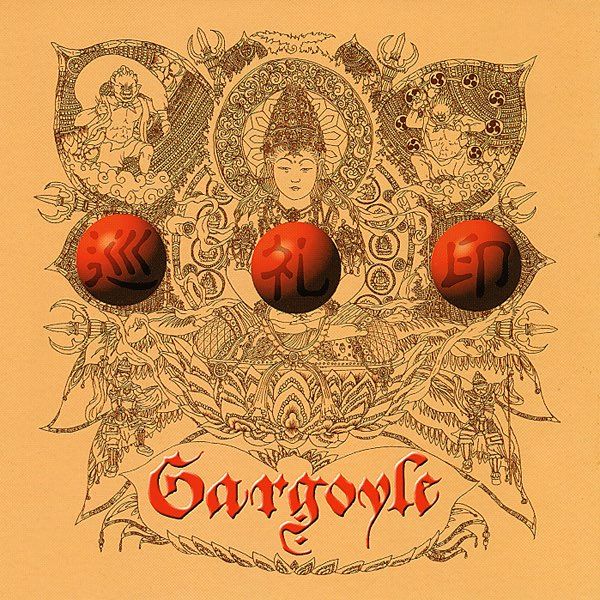
If it hadn’t come out right in the middle of Gargoyle’s most experimental period, it would be fair to assume that ‘Junreiin’ is was the meant for all the material that was deemed too weird for the band’s albums. The frankly insane aggression of opening track ‘Mark’ appears to disprove that, but the rest of ‘Junreiin’ is highly adventurous. At 37 minutes, it is once again a tad too long for an EP, and it has more interesting music than the average full-length album. ‘Junreiin’ has the most pronounced folk influences of any Gargoyle release, though the riffs hit much harder than such a description might imply. It is the one Gargoyle release I would call more rock than metal, which works really well with its atmosphere.
Recommended tracks: ‘Satori’, ‘Bokura wa Yagete Mizu e to Kaeru’, ‘Moshimo Watashi ga Sekai no Rule Nara’
8. Kuromitten (2009)
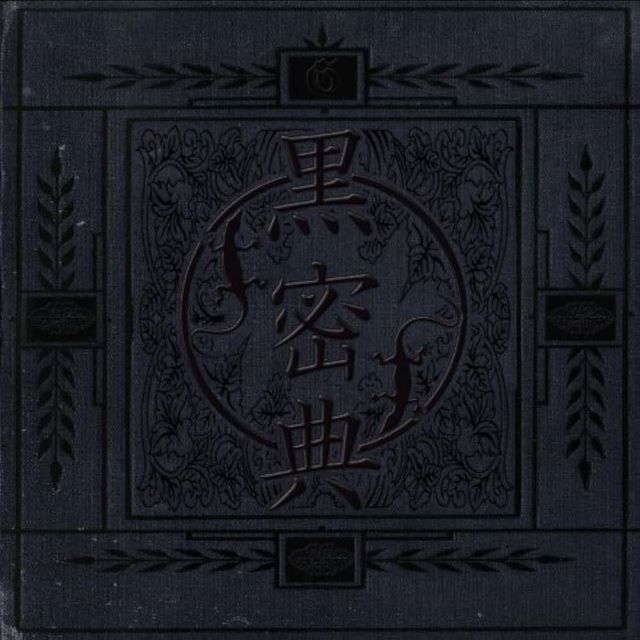
First things first: ‘Shi ni Itaru Kizu’ is one of the best opening tracks Gargoyle ever recorded. What a way to start an album. And what an album it is. Anyone who prefers to hear Gargoyle as metal as possible can’t go wrong with ‘Kuromitten‘. That doesn’t mean that there isn’t any room for anything else – ‘Magma Kid’, while heavy, is a playful rocker, ‘Kaze no Shiro’ a fairly good ballad, and the excellent epic ‘Sora e to Tsuzuku Saka’ flirts with folky touches – but ‘Kuromitten’ is about speed and riffs first and foremost. It also has what I consider the most pleasant flow of the albums discussed thus far in this article, which is likely caused by the songwriting being very memorable and dynamic, despite the album being as aggressive as it is.
Recommended tracks: ‘Shi ni Itaru Kizu’, ‘Bucchigiri Crash!’, ‘Memento Mori’
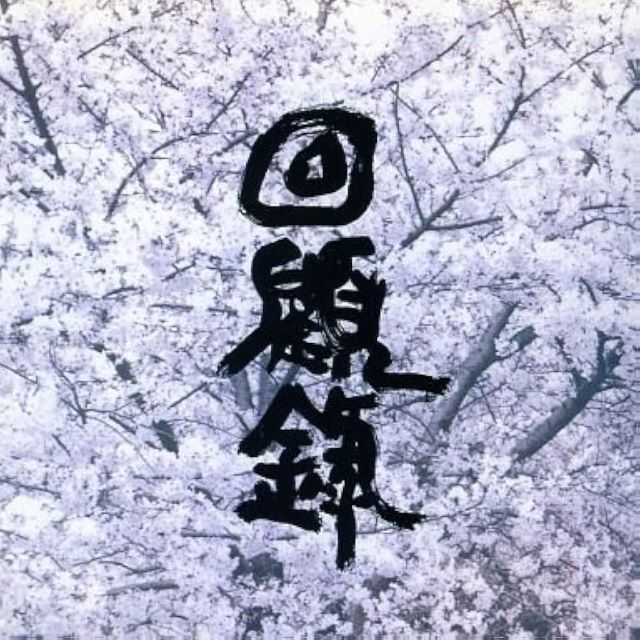
7. Kaikoroku (1992)
‘Kaikoroku’ is a historically relevant EP, because it compiles re-recordings of the better songs from Gargoyle’s demo days that didn’t make it to any of their albums. And their omission from the albums clearly isn’t necessarily a quality issue, since ‘Hunting Days’ became a live staple, often as the set closer or an encore, and every other song on ‘Kaikoroku’ was also frequently played live. The EP shows that Gargoyle already had a very clear idea of what they wanted to sound like before they even recorded their debut album, though the uptempo tracks have more pronounced NWOBHM leanings than their later full-on thrash work, ‘Hunting Days’ and the hyperspeed, but also fairly one-dimensional ‘Crazy Sadism’ excluded. The first three songs in particular are essential Gargoyle.
Recommended tracks: ‘Hunting Days’, ‘Jaaku’, ‘Kuro’

6. Taburakashi (2016)
Talk about going out with a bang… Gargoyle’s most recent album, and the way it looks now, their final one ever, starts with what might just be the most vicious, rabid succession of five hyper-aggressive songs in Gargoyle history, though they fortunately aren’t devoid of melodic majesty. Although the unbridled aggression is held up throughout most of the album, the second half does show a slightly more playful side to the band’s sound, as evidenced by fun twists like the delightfully weird, jumpy riff in ‘Go Go Galapagos’, the incredible proggy semi-ballad ‘Tada Hitosuji ni Yuku’ or the subtle symphonic touches of the monumental ‘Ichi’, which is probably the greatest closing track on a Gargoyle album in two decades. This is an album that simply has more of everything. Just the way it should be.
Recommended tracks: ‘Ichi’, ‘Crumbling Roar’, ‘Overpower’
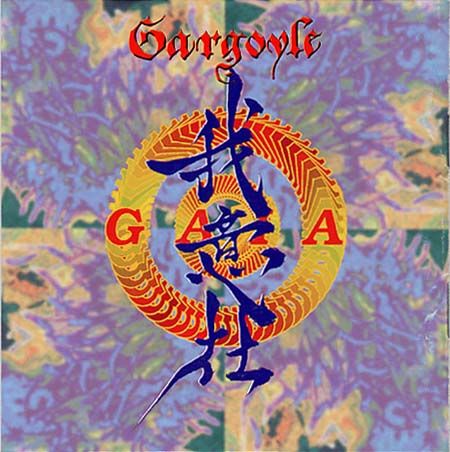
5. Gaia (1998)
A handful of weird productional choices keep ‘Gaia‘ outside of my top three, most notably the unlistenably distorted vocals on the otherwise excellent ‘Sayōnara Jibun’. As a collection of songs, though, it definetely deserves to be there. This is likely the album on which Gargoyle is at its most successfully experimental. I love the more melodic thrash leanings of the likes of ‘Sora wa Ao’ and opening track ‘Wakakusa no Kimi’, although there are still songs like ‘Kamikaze’, ‘Who Are You?’ and – perhaps surprisingly given its title – ‘Meditation’ to show that Gargoyle can be just as destructive as they used to be if they want to. It’s just not the only thing they are good at on ‘Gaia’. Compositionally, this is experimental thrash metal at its finest.
Recommended tracks: ‘Sanbika’, ‘Kamikaze’, ‘Wakakusa no Kimi’

4. Furebumi (1990)
This is what I meant when I said that it wouldn’t take much time before Gargoyle would get even better after ‘Misogi’. ‘Furebumi‘ was released just over a year later, and the improvements are nothing short of incredible. Katsuji’s drumming is much tighter and faster, the songwriting is more engaging and the album’s flow is nearly perfect. Many career highlights are on ‘Furebumi’, first and foremost its incredible opening track ‘Ōnō no Goku’, which still stands as one of my favorite Gargoyle songs. A lot of what the band does on ‘Furebumi’ can be seen as a blueprint for what they would continue to do. It’s the perfect blend of aggressive riffs, majestic melodies, and catchy songwriting, and consistently so. Highly recommended.
Recommended tracks: ‘Ruika ~Prologue~ / Ōnō no Goku’, ‘Execute’, ‘Ruten no Yonite’
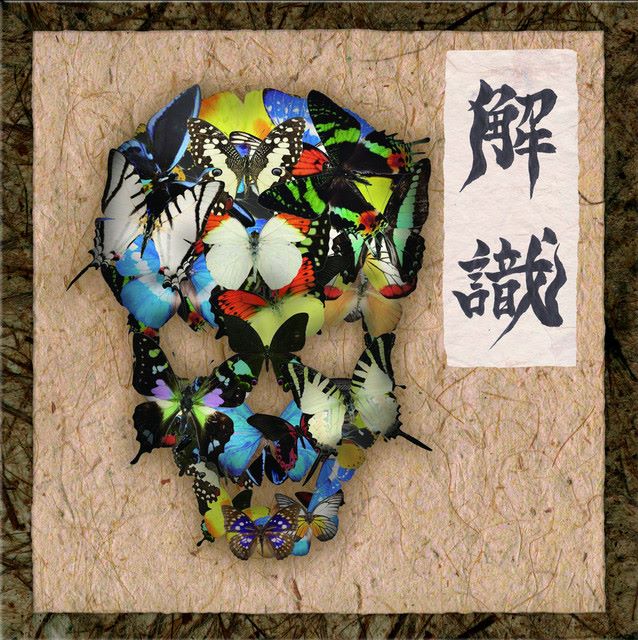
3. Geshiki (2014)
Something about ‘Geshiki‘ just makes me keep coming back. First off, ‘Gordian Knot’ is a masterpiece of an opening track, and ‘S.W. Power’ possibly the most underrated thrasher in Gargoyle’s discography. The sheer amount of energy on the album also makes everything better. In that regard, ‘Geshiki’ is comparable to its follow-up ‘Taburakashi’, though it is notably more varied and melodic overall. Both the somewhat Black Sabbath-esque ‘Fullcolor Answer’ and the magnificent, quasi-symphonic closer ‘Namida no Kachi’ are among the very best semi-ballads Gargoyle ever recorded. Everything else is loud, fast and intense, yet much more varied than that collection of adjectives might suggest. From the jumpy, punky ‘Mankai Oratio’ to the downright ferocious ‘Chokugeki’ and everything in between: ‘Geshiki’ has got you covered.
Recommended tracks: ‘Gordian Knot’, ‘S.W. Power’, ‘Namida no Kachi’

2. Tenron (1993)
Out of the earliest Gargoyle albums – i.e. the ones that She-ja plays guitar on – ‘Tenron‘ is the one that is broadest in scope. Honestly, I have no idea how I should categorize the disco-infused, somewhat post-punky pop metal of ‘Dōmu Lullaby’, or the mysterious psychedelic, yet still quite heavy grooves of ‘Ishikikyū’, other than simply amazing. About half of the album still consists of intense thrashers, however, some of them very aggressive (closer ‘Haretsu Ganbō’), some quite straightforward (‘Ame ni Mo Makezu’, the song that made me fall in love with Gargoyle definitively), others epic and elegant (‘Gekka Ranshō’, opener ‘Shinpan no Hitomi’). What’s even more impressive is that Gargoyle manages to go down all these roads whilst delivering one of their most consistently fantastic albums.
Recommended tracks: ‘Ame ni Mo Makezu’, ‘Gekka Ranshō’, ‘Shinpan no Hitomi’
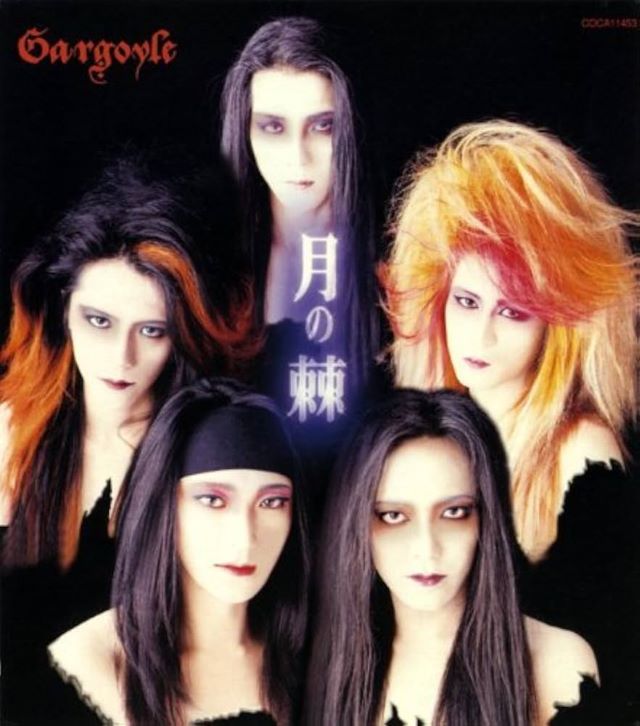
1. Tsuki no Toge (1994)
If, for some sadistic reason, you are only ever allowed to own one Gargoyle album, ‘Tsuki no Toge‘ would be my recommendation, as it’s the most consistently amazing set of Gargoyle songs. The band has streamlined its sound a bit, putting even more emphasis on the riffs, and that is exactly what they needed at this point. It seriously benefits the thrashers, but also the more funky tracks, which as a result end up sounding less like a stylistic detour and more like a different color on the band’s palette. Both ballads – the darkly minimalist ‘Kuroi Hana’ and the earnest, melancholic ‘Yakusoku no Chi de’ – are nothing short of incredible. The bookending songs have a bit of a very early Iron Maiden vibe, while the likes of ‘Shōryakukeitachi Yo’ and ‘Senzaiteki Genkyōkaku Musabetsu Kakusei Kin Kansensha’ are sure to thrash your face off. One of the best thrash-esque albums of all time, and one of the best albums in general to ever come out of Japan.
Recommended tracks: ‘Shōryakukeitachi Yo’, ‘Senzaiteki Genkyōkaku Musabetsu Kakusei Kin Kansensha’, ‘Yakusoku no Chi de’
 Kevy Metal
Leave a comment