

Divlje Jagode was one of the first bands in Yugoslavia to play music that could be categorized as heavy metal, and certainly one of the most successful. Admittedly, most of their material is somewhere in the grey area between hard rock and heavy metal, and a majority closer to the hard rock side of the equation. But the band got reasonably heavy on their late-seventies albums and even their most ballad-heavy albums have a handful of heavy tracks on them. Unlike some of their peers, Divlje Jagode never forgot the riff-heavy excitement of seventies hard rock. It’s still there on their recent releases.
What Divje Jagode does have in common with other veteran hard rock bands is a massive number of line-up changes. Original singer Toni Janković returned to the band recently, but guitarist Sead ‘Zele’ Lipovača is the only constant Divlje Jagode member. These days, they have a very stable line-up, however, most of the musicians having been in the band for about a decade now. Multiple former singers guest on their recent releases, so Lipovača appears to be interested in what is best for his songs primarily.
Divlje Jagode briefly tried their hand at international success by relocating to London, and it admittedly was their association with current Deep Purple keyboard player Don Airey that made me aware of the band, but it did not work out well for them. The London adventure basically imploded the band in the mid-eighties. After one more heavily underrated album, the band went quiet for a while, the Yugoslav Wars presumably playing a part there. Since returning in the mid-nineties, they have somewhat frequently been releasing new albums, most of them ranging from good to excellent.

12. Labude, Kad Rata ne Bude (1994)
There is only one Divlje Jagode album with all-original material that I dislike, and that is ‘Labude, Kad Rata ne Bude’. It was the first album the band released after reuniting in the nineties, and it must have been a disappointment if the region didn’t have more important matters to worry about. ‘Labude, Kad Rata ne Bude’ consists mostly of ballads, but blaming that would be an oversimplification. It is the combination of that, even the better songs lasting far too long, the completely lifeless nineties-style production, and the fact that Zlatan Ćehić cannot elevate the songs vocally. Playing ‘Labude, Kad Rata ne Bude’ for this review may just be the final time I ever listen to the album, though being able to understand its lyrics might just enhance the experience.
Recommended tracks: ‘Zbog Tebe Draga’, ‘Na Tvojim Usnama’
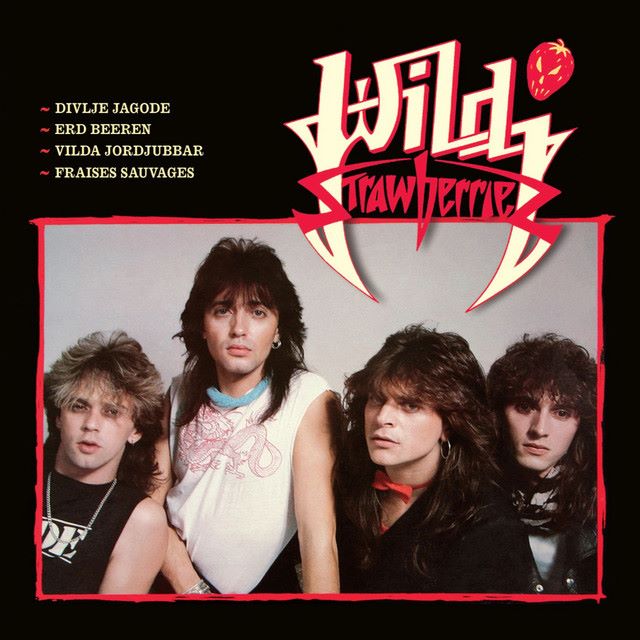
11. Wild Strawberries (1987)
While I wasn’t sure whether to include ‘Wild Strawberries’ at all, simply because it is a collection of old Divlje Jagode songs with lyrics re-written in English released under the English translation of their band name while the band was operating out of London, I think it is worth looking at what a disaster the album has been. And not for the usual reasons. In fact, Alen Islamović’ pronunciation is fairly good, and his voice doesn’t sound too different in English. The songs are just polished up far too much, and the album did not have the intended effect, as it came out well over a year after it was recorded, by which time Islamović and drummer Nasko Budimlić had already left the band. The two new songs are fairly good, though.
Recommended tracks: ‘Fire on the Water’, ‘Wild Boys’, ‘Snakes Can’t Dance’

10. Vatra (1985)
‘Vatra’ is a clear attempt to appeal to a larger audience, and as such, it walks the tightrope between enjoyable early glam metal and overly polished eighties guff with varying degrees of success. Lipovača’s rhythm guitar sound gives many of the rockers the edge, though it definitely helps that Nasko Budimlić attacks his kick and snare with too much power to completely iron it out. On the other hand, the final two songs feel like they never end, and the album really could have used one or two more uptempo songs to break up the mid-tempo monotony of nearly all songs that aren’t the three highlights. Or, you know, an interesting songwriting twist like the first half of the chorus in ‘Let na Drugi Svijet’.
Recommended tracks: ‘Let na Drugi Svijet’, ‘Ciganka’, ‘Vatra’
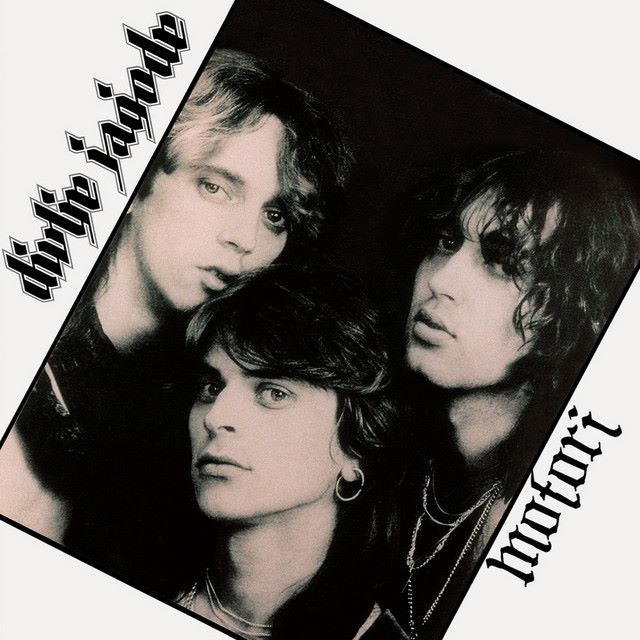
9. Motori (1982)
For ‘Motori’, Divlje Jagode slimmed down to a trio, with bassist Alen Islamović taking over lead vocals. The album was the band’s definitive breakthrough, selling half a million copies, and it is not difficult to see why. It wasn’t just the line-up that was streamlined; the songwriting was as well. ‘Motori’ is a tight, hard-rocking album with nearly all of the fat trimmed. However, that is also why it is a bit dull at times. Many of the choruses are quite repetitive, and even though the songs are fairly short, some of them feel too long anyway. While the Priest-style riffs are still here, a few songs have an AC/DC-ish flair that I don’t like very much, though it works fairly well with the “Bon Scott but angrier” timbre of Islamović.
Recommended tracks: ‘Šampioni’, ‘Šejla’, ‘Motori’
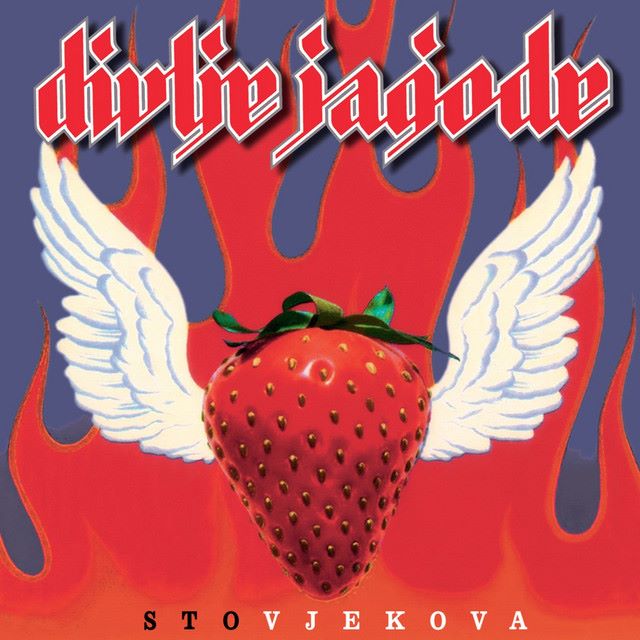
8. Sto Vjekova (1997)
A massive improvement over its predecessor, ‘Sto Vjekova’ shows a much more confident Divlje Jagode. Žanil Tataj, who first worked with Lipovača on his 1993 solo album ‘Magic Love’, might actually be my favorite singer the band ever recorded with. His clear timbre and expressive highs even manage to elevate a few of the more mundane songs here. The most important improvement over its predecessor, however, is the fact that the songs feel far more focused, and never lose direction or get stuck in the same groove for much too long. The production is almost aggressively nineties, especially on the ballads, and the remakes of classic Divlje Jagode songs are kind of unnecessary. But all in all, ‘Sto Vjekova’ is a highly enjoyable album, on which the riffs finally hit hard again.
Recommended tracks: ‘Sto Vjekova’, ‘Lejla’, ‘Ljubavi, Daj Mi Ljubavi’
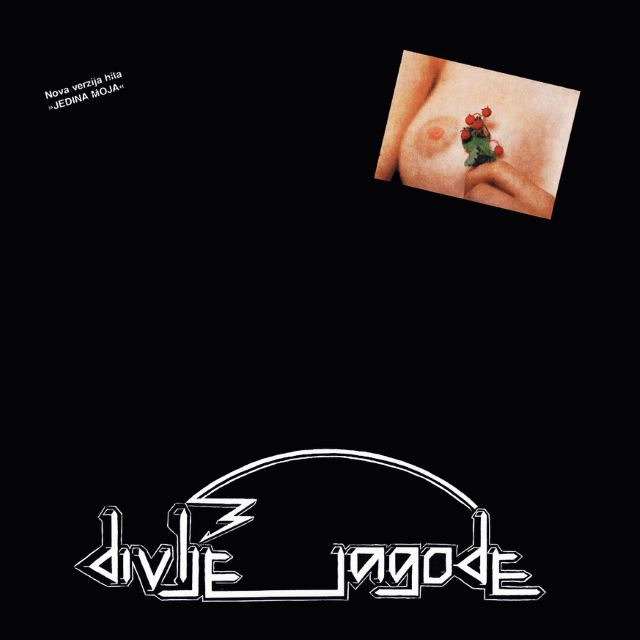
7. Divlje Jagode (1978)
For a debut album released only a year after a band started their activities, ‘Divlje Jagode’ is surprisingly accomplished. As much as I would like to criticize it for alternating hardrockers and ballads, the compositions and arrangements show a fantastic grasp of what makes a good rock song. At least the ballads are all quite good, having that pastoral melancholy many Balkan prog bands had at the time. Especially ‘Mojoj Ljubavi’ is excellent. Having said that, the harder-rocking tracks are where the band sounds best, especially on the album’s back half. They are closer to the heavier end of seventies hard rock than to heavy metal – think UFO or Deep Purple at their heaviest – but that doesn’t matter: the riffs are great, and Lipovača’s rhythm guitar sound is perfect for this material.
Recommended tracks: ‘Želim da te Imam’, ‘Vodarica’, ‘Čekam da Sunce Zađe’

6. Stakleni Hotel (1981)
On their sophomore album ‘Stakleni Hotel’, Divlje Jagode focused its sound down to riffy hard rock and heavy metal, as well as a handful of ballads. In a way, the catchy rocker ‘Autostop’ is somewhat of a misleading opener, but it’s probably meant to ease more casual listeners into the album. Most of the harder-hitting songs on ‘Stakleni Hotel’ sound like one part late-seventies Judas Priest and two parts early eighties Saxon, and they have a nice workmanlike quality to them. If I’m being completely honest, the level of songwriting was generally a bit higher on the debut album, but ‘Stakleni Hotel’ scores additional points for consistency and tighter playing across the board. Also, very few countries had heavy metal this good to offer in 1981.
Recommended tracks: ‘Ulica na Lošem Glasu’, ‘Stakleni Hotel’, ‘Mrak za Dvoje’

5. Konji (1988)
In a strange turn of events, Alen Islamović left Divlje Jagode to join Bijelo Dugme, arguably Yugoslavia’s most popular rock band of all time, and the guy he replaced became Divlje Jagode’s new singer. Mladen ‘Tifa’ Vojičić would only stick around for one album, but I think he is the perfect singer for the slick eighties hard rock sound on ‘Konji’. While I should not like the album as much as I do, there just aren’t many albums on which this type of polished rock is done this well. Divlje Jagode deserves respect for sticking to a riff-heavy style while the entire scene around them was diving head-first into new wave. Even Vlado Podany’s keyboards are done surprisingly well. ‘Konji’ is not the best place to start your exploration of Divlje Jagode, but it is one of their most pleasantly surprising albums to me.
Recommended tracks: ‘Konji’, ‘Zaboravi’, ‘London’
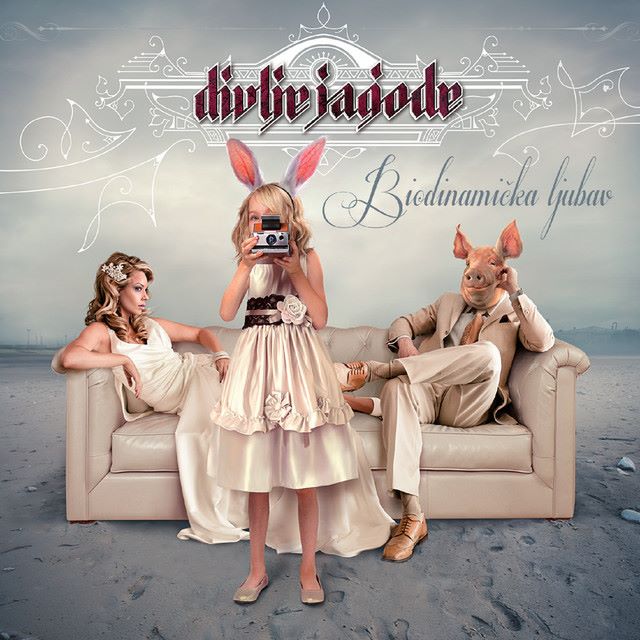
4. Biodinamička Ljubav (2013)
The first album recorded with much of the current line-up, and it is obvious why Lipovača stuck with these musicians. Rhythm guitarist Livio Berak is a fantastic addition, because he is a strong singer as well. Whenever his gravelly, yet clean vocals aren’t carrying the songs, a bunch of interesting guest singers are, such as former singer Žanil Tataj. ‘Biodinamička Ljubav’ is clearly the work of a veteran rock band. The arrangements are carefully crafted, and there is not much youthful naivity here, but the playing is far more energetic than on Divlje Jagode’s nineties albums. The songwriting is great as well, though its predecessor – a decade old at this point – had better ballads. In general, however, ‘Biodinamička Ljubav’ is much better than what most bands of Divlje Jagode’s vintage release these days.
Recommended tracks: ‘Tragovi’, ‘Usne Usnule’, ‘Ti Bez Riječi Znaš’

3. Prati Moje Stare Tragove (2024)
Recency bias may be a thing, but I honestly think Divlje Jagode delivers some of its best work on ‘Prati Moje Stare Tragove’. It takes the approach of ‘Biodinamička Ljubav’, streamlines the sound a bit, and adds a zest of old school Divlje Jagode. ‘Nedjeljni Snovi Gospode Adele’ honestly sounds like it could be on the debut, and not just because Toni Janković sings it. The album gets surprisingly heavy a few times as well, though in a way that makes complete sense for twenty-first century Divlje Jagode. The dark groover ‘Kreni Kišo’ sound unlike anything the band ever did, and yet, it feels right at home on the album. Some songs feel like old rockers aging gracefully, but then there also is stuff like the shot of energy that is ‘Ukrala je Svjetlost Istoka’. Genuinely a fantastic hard rock album.
Recommended tracks: ‘Kreni Kišo’, ‘Ukrala Je Svjetlost Istoka’, ‘Prati Moje Stare Tragove’
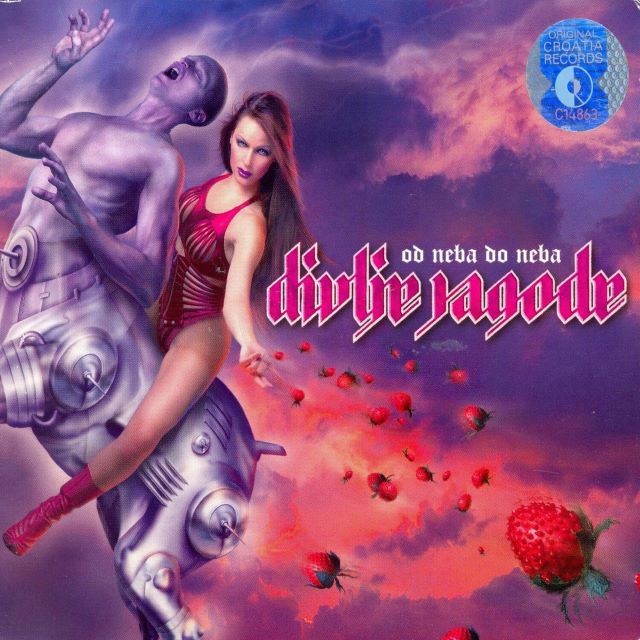
2. Od Neba do Neba (2003)
‘Od Neba do Neba’ is a fairly polished album by Divlje Jagode standards, and for a second, it might seem it falls into the same trap as the band’s debut album where nearly every other song is a ballad. There is an important difference though. The songwriting is much, much more creative. Opening track ‘Dobro Došla Ljubavi’, for example, constantly switches between acoustic rocker and semi-ballad, and it has a surprisingly heavy middle section. The actual ballads generally are stronger this time around as well. Pero Galić from Opća Opasnost is the perfect singer for them, though he performs just as well on the rockers, which is where ‘Od Neba do Neba’ shines brightest. A great first Divlje Jagode album for the twenty-first century, and one of their best in general.
Recommended tracks: ‘Kap po Kap’, ‘Od Neba do Neba’, ‘Dobro Došla Ljubavi’

1. Čarobnjaci (1983)
‘Čarobnjaci’ thankfully does away wth most of the AC/DC-isms of ‘Motori’, as well as its repetitive choruses. The result is an excellent early eighties heavy metal album. It might just be Divlje Jagode’s heaviest, as it is their most riff-oriented release to date, and most of the riffs are monstrously heavy for their time. And yet, Divlje Jagode did not lose its accessible songwriting sensibilities. Ultimately, that is what makes ‘Čarobnjaci’ so good: instead of deciding whether the riff or the chorus should be the hook of the song, the band went for both in nearly every song. Fortunately, most choruses are more than the title of the song twice or four times. Also, Nasko Budimlić’ drums sound absolutely thunderous here. Heavy metal from Eastern Europe rarely got much better than this in 1983.
Recommended tracks: ‘Morison’, ‘Đavolji Grad’, ‘Sama Si’, ‘Čarobnjaci’
German online shop Kalemegdan Disk sells most Divlje Jagode albums on cd, as well as some vinyl. This is not an affiliate link; I genuinely have good experiences ordering there. Their owner actually helped me a lot with the research for the article. Thanks, Thomas!
 Kevy Metal
Leave a comment