

Ningen Isu is the perfect band for Tools for Discovery. Over nearly forty years, the trio from Aomori in northern Japan has released over twenty albums, all of them without any English lyrics, and many of them still actually in print. They are simply one of the most prolific bands in the Japanese music industry. While there are bands that have been active for longer without any interruptions, very few of them release a new album of original material every one or two years like Ningen Isu does. And yet, they have always avoided sounding like they are churning out assembly line material.
Even before their relatively sudden international breakthrough with ‘Mujō no Scat’ about five years ago, Ningen Isu was already a relatively well-known name outside Japan for a band that sings in Japanese exclusively and never had released any albums outside of the country before. Presumably, the audiences they appeal to are part of the reason by. Progressive rock crowds are used to unconventional songwriting, while stoner rock and doom metal fans generally care about the riffs rather than being able to understand the lyrics. Also, Ningen Isu’s riffwork is clearly inspired by early seventies British hard rock, so it works both ways.
Stylisticaly, Ningen Isu’s discography is remarkably consistent as well. Despite their experimental nature, you always know what you are going to get with their albums, and their most recent album ‘Shikisokuzekū‘ sounds like a very logical evolution from what the band started on their 1989 self-titled debut EP. Guitarist Shinji Wajima and bassist Kenichi Suzuki having been there from the beginning, and drummer Nobu Nakajima for more than two decades, contributes to this consistency without a doubt. So with their new album ‘Mahoroba’ set to be released in November, let’s look at what they have put out so far.
One thing concerning the titles: no, I have not lost my mind. Words like “jigoku” (hell), “sekai” (world), “uchū” (space, universe), “ningen” (human), and “akuma” (devil) just happen to be ubiquitous in Ningen Isu’s discography.

23. Burai Hōjō (2014)
In many ways, ‘Burai Hōjō’ is better than some of the albums I ranked higher. Also, many people do rate it higher, mainly due to the presence of ‘Namahage’, which admittedly is one of the best doom metal songs Ningen Isu has ever recorded. But while the album has its redeeming qualities, there isn’t a single Ningen Isu album that bores the life out of me as much as ‘Burai Hōjō’ does. Its latter half in particular has too many songs that just plod along at a similar pace. ‘Hyōchō no Teikoku’ also is probably the dullest opening track they ever released. Admittedly, ‘Burai Hōjō’ isn’t helped by the fact that it is surrounded by two of the best Ningen Isu albums – spoiler alert – but that is all the more reason to expect more from it.
Recommended tracks: ‘Namahage’, ‘Meishin’, ‘Reijū no Sakebi’
Order ‘Burai Hōjō’ from nearly anywhere in the world at CD Japan
Ningen Isu
Ningen Isu

22. San Aku Dōchū Hizakurige (2003)
Nobu Nakajima’s debut with Ningen Isu retains a lot of the lighter, more playful rock leanings of their last few albums with Masahiro Gotō, although the bottom end is beefed up a little, as Nakajima is more of a power hitter. ‘San Aku Dōchū Hizakurige’ shows a Ningen Isu that’s not afraid to experiment, and there is a lot of surprisingly upbeat stuff on the album. Here’s the thing: I generally don’t like happy music, especially not in the style that Ningen Isu plays. Having said that, I respect how seemingly nothing was off-limits for ‘San Aku Dōchū Hizakurige’. The band takes quite a few risks, and not all of them pay off, but the way Wajima, Suzuki, and Nakajima feed off each other keeps the album off bottom spot.
Recommended tracks: ‘Akuryō’, ‘Chijin no Ai’, ‘Senrei’
Order ‘San Aku Dōchū Hizakurige’ from nearly anywhere in the world at CD Japan
3 Aku Dochu Hizakurige [UHQCD]
Ningen Isu

21. Mirai Romanha (2009)
For the longest time, ‘Mirai Romanha’ was my least favorite Ningen Isu album by a country mile. First off: just because you can fit seventy-four minutes of music on a disc doesn’t mean you have to. Many things about the album feel a bit rushed. For example: Wajima could have recorded much better vocals if he was given more time. He sounds tired or ill on some songs, which is why ‘Mirai Romanha’ is one of the few Ningen Isu albums on which I tend to prefer the songs that Suzuki sings. There is a fairly good forty-to-fifty-minute album in here though, that may have the most even balance between rock and metal on any Ningen Isu album.
Recommended tracks: ‘Kagayakeru Ishi’, ‘Meido Kissa’, ‘Shin’en’
Order ‘Mirai Romanha’ from nearly anywhere in the world at CD Japan
Ningen Isu
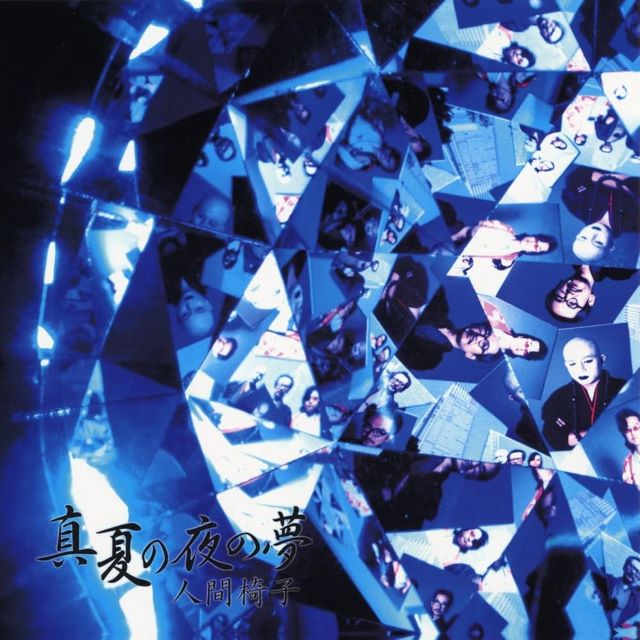
20. Manatsu no Yoru no Yume (2007)
To say that Ningen Isu was a bit adrift throughout the first decade of this century would be an understatement. Nothing they released in this era was outright bad, most albums they put out then just kind of existed. Out of that category, ‘Manatsu no Yoru no Yume’ is the most interesting album, as the riffwork is some of their least conventional. The album takes too long to get going, and the momentum its compositions riffs gain, it almost immediately loses due to the lack of melodies that stick. That is ultimately why it isn’t good enough for its 74-minute runtime. But there are a few highlights near the end of ‘Manatsu no Yoru no Yume’ that make it worth at least a spin to see if it is your thing.
Recommended tracks: ‘Sekai ni Hanataba wo’, ‘Umi Monogatari’, ‘Himan Tenshi’
Order ‘Manatsu no Yoru no Yume’ from nearly anywhere in the world at CD Japan
Manatsu no Yoru no Yume [UHQCD]
Ningen Isu
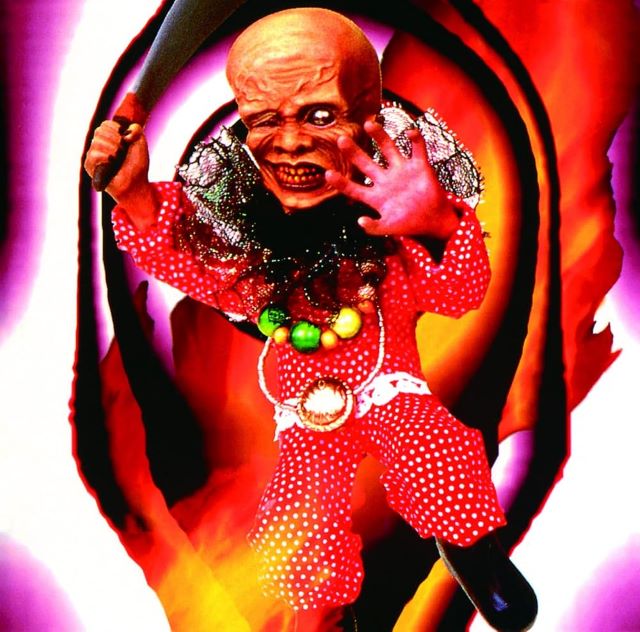
19. Odoru Issunbōshi (1995)
If there is one Ningen Isu album that I am conflicted about, it would be ‘Odoru Issunbōshi’. Although it’s very low on true highlights, very few Ningen Isu albums have a flow quite as pleasant as this one. Most of ‘Odoru Issunbōshi’ is extremely laid-back and fairly jam-heavy, or at least until it finishes with the sub-two-minute thrasher ‘Dynamite’ and the crushing doom monster that is the closing title track, which also features some of Suzuki’s most creepy laughter ever. On the other end of the album, the first two tracks are fantastic as well. Everything else is largely in service of relaxed rock grooves and seemingly unforced musical interactions. This is one of those albums where I don’t remember all that much of it once it is over, but the ride has been enjoyable.
Recommended tracks: ‘Kurai Nichiyōbi’, ‘Odoru Issunbōshi’, ‘Dynamite’
Order ‘Odoru Issunbōshi’ from nearly anywhere in the world at CD Japan
Ningen Isu
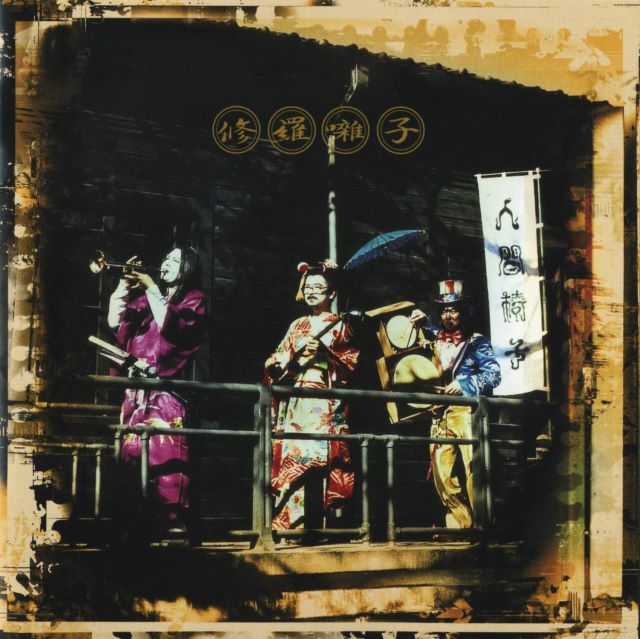
18. Shura Bayashi (2003)
Since it doesn’t contain many stand-out songs, ‘Shura Bayashi’ isn’t a Ningen Isu album I revisit very often, but it’s better than the number of spins in my household implies. It is the last album with Masahiro Gotō on drums, but the interaction between him, Wajima, and Suzuki is what makes ‘Shura Bayashi’ so good. It just sounds like a bunch of guys having fun playing the music they like. There is a slightly larger focus on late sixties music rather than Ningen Isu’s usual seventies fare, with Wajima channeling his inner Hendrix on ‘Ai no Kotoba wo Kazoeyō’, and ‘Saigo no Bansan’ being total psychedelic era Beatles worship. An actual doom monster might have put it one or two places higher, but as it stands, ‘Shura Bayashi’ is a very enjoyable album.
Recommended tracks: ‘Sōkoku no Ie’, ‘Owaranai Ensōkai’, ‘Tsuki ni Samayō’
Order ‘Shura Bayashi’ from nearly anywhere in the world at CD Japan
Shura Bayashi [Limited Release]
Ningen Isu
Ningen Isu

17. Mishiranu Sekai (2001)
In a way, ‘Mishiranu Sekai’ sounds like a more logical follow-up to 1999’s ‘Nijūseiki Sōsōkyoku’ than it does to its darker, heavier direct predecessor. The album just feels a bit looser and more experimental, though without it sounding too highbrow or ham-fisted. It really just feels like most of the songs on ‘Mishiranu Sekai’ are the result of extensive jam sessions. Mood-wise, it might just be the most varied Ningen Isu album thus far, as many songs subtly change atmosphere, despite the album really not being that complex. These are the beginnings of the playful character of the latter-day Masahiro Gotō albums, though somewhat more rooted in the band’s earlier compositional traits. ‘Mishiranu Sekai’ is slightly too long for its own good, but it’s also one of the more unique-sounding Ningen Isu albums.
Recommended tracks: ‘Hitokui Sensha’, ‘Shizenji’, ‘Sayonara no Mukōgawa’
Order ‘Mishiranu Sekai’ from nearly anywhere in the world at CD Japan
Mishiranu Sekai [Limited Release]
Ningen Isu
Ningen Isu

16. Ningen Shikkaku (1990)
Ningen Isu’s debut album ‘Ningen Shikkaku’ shows that they were already very aware of how they wanted the band to sound from the very beginning. While I’m not a big fan of the bookends – although it’s well done, I never would have chosen to open the album with ‘Hari no Yama’, which is a Japanese-language cover of Budgie’s ‘Breadfan’ – even those are fairly good. Everything in between ranges from very good to downright excellent. My only other minor issue with the album is that three songs were already on the previous year’s self-titled EP, and they are generally not even the better tracks from it. Ningen Isu would soon become even better than on ‘Ningen Shikkaku’, but it is a fanatstic starting point full of Sabbathian riffs and mildly unconventional song structures.
Recommended tracks: ‘Tengoku ni Musubu Koi’, ‘Ayakashi no Tsuzumi’, ‘Ningen Shikkaku’
Order ‘Ningen Shikkaku’ from nearly anywhere in the world at CD Japan
Ningen Isu

15. Kuraku (2021)
If you want Ningen Isu to sound as much like Black Sabbath as possible, ‘Kuraku‘ is your album. There are still plenty of other influences, especially because there seems to be more room to jam within the songs than usual, but Wajima is really channeling his inner Tony Iommi here in both the riffs and the leads. ‘Kuraku’ does suffer from being released in the middle of a stream of amazing albums. It comes off as somewhat weak by comparison, not helped by the fact that ‘Toshishun’ is not one of their stronger openers. The album is basically Ningen Isu being Ningen Isu. Nothing more, but certainly nothing less either. Some of the songs feel a bit too long, though the doomier songs on here are spectacular.
Recommended tracks: ‘Kamigami no Kōshin’, ‘Akuma no Shohōsen’, ‘Yoakemae’
Order ‘Kuraku’ from nearly anywhere in the world at CD Japan
Ningen Isu

14. Sakura no Mori no Mankai no Shita (1991)
Released less than eight months after ‘Ningen Shikkaku’, and curiously named after the closing track on that album – or technically after a short story by Ango Sakaguchi – ‘Sakura no Mori no Mankai no Shita’ feels like a more streamlined version of Ningen Isu’s debut album. The songs have a bit more of an immediate impact, and save for a few small weird choices, it is produced much better than its predecessor as well. For some reason, ‘Sakura no Mori no Mankai no Shita’ did not spawn as many live staples as the debut, but while the highest peaks might not be quite as high, I definitely think it is a better album overall. Closing track ‘Taiyō Kokuten’ is one of the hidden gems of Ningen Isu’s discography.
Recommended tracks: ‘Yashagaike’, ‘Taiyō Kokuten’, ‘Kokoro no Kaji’
Order ‘Sakura no Mori no Mankai no Shita’ from nearly anywhere in the world at CD Japan
Sakura no Mori no Mankai no Shita [UHQCD]
Ningen Isu
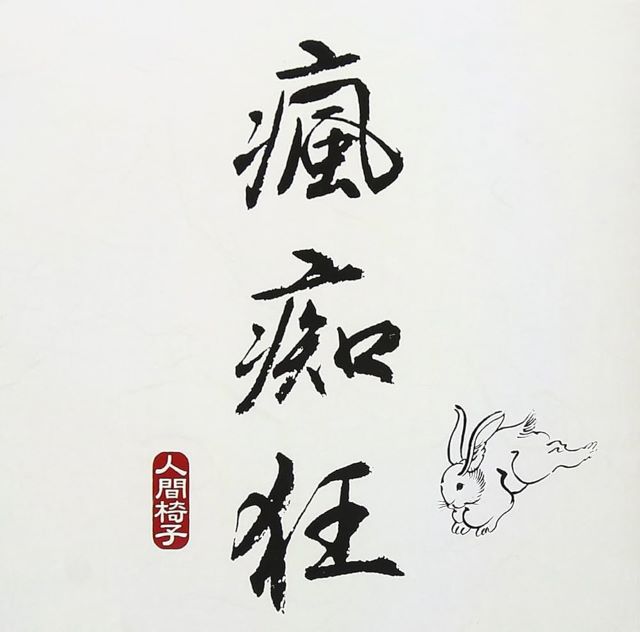
13. Fuchiku (2006)
On their second album with Nobu Nakajima, Ningen Isu seems to slowly become aware of the strengths of this particular line-up. It’s not quite at the level the band would later reach, and there are still some remnants of the more playful, jammy rock ‘n’ roll leanings of the previous albums, but by tightening up the bottom-end, ‘Fuchiku’ is a considerable step in the right direction. ‘Shinagawa Shinjū’ was at that point the best song Ningen Isu had released in about a decade and a half, and there are some actual doomy moments on ‘Fuchiku’ again. The album is a bit long, and it would likely have been more focused if it had two or three songs cut, but ‘Fuchiku’ is an excellent prelude to the greatness that was soon to come.
Recommended tracks: ‘Shinagawa Shinjū’, ‘Genshoku no Kotō’, ‘Ankoku Seiun’
Ningen Isu
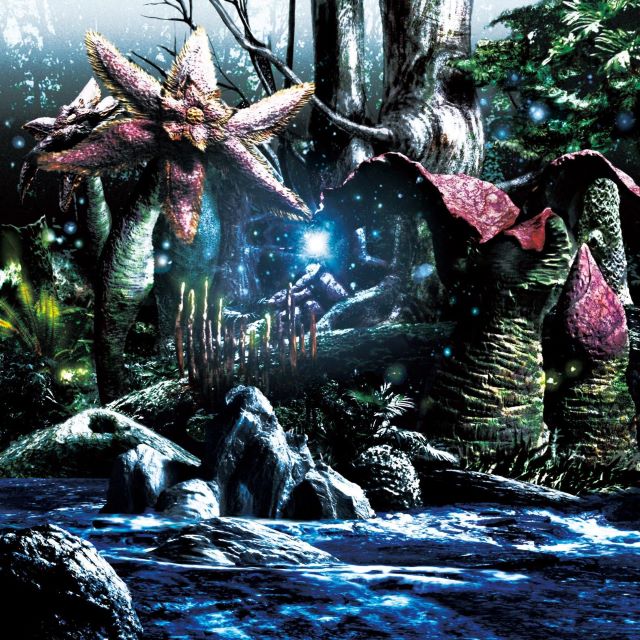
12. Shiganraisan (2011)
After mostly releasing mildly underwhelming albums for about a decade, Ningen Isu is back on the right track with ‘Shiganraisan’. It sounds like Wajima, Suzuki and Nakajima finally figured out how they sound best together. One of the results is that the band leans far more into Nakajima’s hard-hitting playing style. There are some more rocky tracks – Ningen Isu never sounded as bluesy as they do on ‘Gusha no Rakuen’ – but even those have a beefed-up bottom-end. ‘Haru no Nioi wa Nehan no Kaori’ is one of the most slept-on Ningen Isu epics, starting out with massive controlled chaos before developing into an exceptionally dynamic song. ‘Shiganraisan’ is not yet quite the peak Ningen would soon reach, but the riffs are on point again, and the compositions are getting better.
Recommended tracks: ‘Haru no Nioi wa Nehan no Kaori’, ‘Nageba Yama Gara Mokko Kuru’, ‘Hikari e Wasshoi’
Ningen Isu

11. Ijigen Kara no Hōkō (2017)
Somehow, I always to forget how good ‘Ijigen Kara no Hōkō’ is. It is sandwiched between two of my favorite Ningen Isu albums – another spoiler alert – but it strikes a perfect balance between the band’s heavier latter-day sound and more jammy hard rock exercises. Since its predecessor was so heavy, the difference seems bigger than it really is, but the middle section of ‘Ijigen Kara no Hōkō’ shows Ningen Isu at their most playfully rocking in about a decade. There is no other way to explain the harmonica in the stupidly catchy ‘Mononoke Fever’ or the heavy shuffle grooves of ‘Akumu no Tenjōin’. Apart from that, ‘Ijigen Kara no Hōkō’ is filled with fantastic heavy rock, with epic closing track ‘Itansha no Kanashimi’ being a particular masterpiece.
Recommended track: ‘Itansha no Kanashimi’, ‘Taiyō ga Ippai’, ‘Kyomu no Koe’
Order ‘Ijigen Kara no Hōkō’ from nearly anywhere in the world at CD Japan
Ijigen Kara no Hoko [Limited Release]
Ningen Isu
Ningen Isu
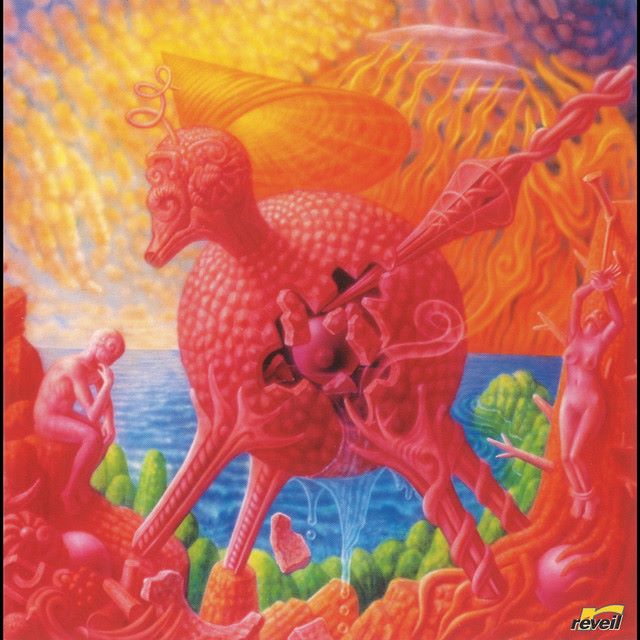
10. Taihai Geijutsuten (1998)
Possibly Ningen Isu at their most creative. ‘Taihai Geijutsuten’ is weird – as if the album cover doesn’t give that away already – but not unlistenably so. In fact, while it doesn’t have as many stand-out tracks as some of the later albums, part of the reason why is that it’s consistently amazing. The album is typically Ningen Isu, but they approach their own sound from a slightly different angle here. It’s less heavy and more organic, feeling a bit more rocky, perhaps a tad psychedelic, despite the fact that ‘Taihai Geijutsuten’ is very much an album driven by heavy riffs. It would not surprise me at all if the arrangements came together over extensive jam sessions. The material just sounds that way, and that’s why ‘Taihai Geijutsuten’ is awesome.
Recommended tracks: ‘Dunwich no Kai’, ‘Chinurareta Hina Matsuri’, ‘Kiku Ningyō no Noroi’, ‘Excite’

9. Shikisokuzekū (2023)
While Ningen Isu being Ningen Isu was a reason for me to criticize ‘Kuraku’, its follow-up ‘Shikisokuzekū’ proves that it can also be a positive. The only reason why I like this album significantly more is because the songwriting is consistently so much better. Though the album has a slight dip in the middle, it is bookended by a number of fantastic songs, of which closer ‘Shide no Tabiji no Monogatari’ may just be a top ten Ningen Isu song for me. ‘Shikisokuzekū’ also manages to blend the heavy bottom-end of latter-day Ningen Isu with the band’s more rocky leanings better than usual, as evidenced by the likes of ‘Ikiru’. Also, the doomier songs just sound heavier this time around. An excellent late-career highlight.
Recommended tracks: ‘Shide no Tabiji no Monogatari’, ‘Saraba Sekai’, ‘Ikiru’
Order ‘Shikisokuzekū’ from nearly anywhere in the world at CD Japan
Shikisokuzeku [w/ DVD, Limited Edition]
Ningen Isu
Shikisokuzeku [Regular Edition]
Ningen Isu

8. Mugen no Jūnin (1996)
Often cited as Ningen Isu’s most folky album, ‘Mugen no Jūnin‘ is a fairly unique entry in their discography. While it is relatively folky, the album is actually far more riff-driven than that description might imply. Though a little more laid-back than the average Ningen Isu album, it’s actually the heavy riffs of the likes of ‘Jigoku’, ‘Bacchus Gurui’, and the epic closer ‘Kuroneko’ that come to mind when I think of the album. The more relaxed pace gives some of the heavier songs quite a unique character. ‘Mokko no Komori Uta’ and the title track are the only fully folk-driven tracks here, though some heavier songs feature folky melodies. ‘Mugen no Jūnin’ is an album that deserves a lot more love than it actually receives.
Recommended tracks: ‘Kuroneko’, ‘Tsujigiri Kōta Musuyukuhen’, ‘Jigoku’
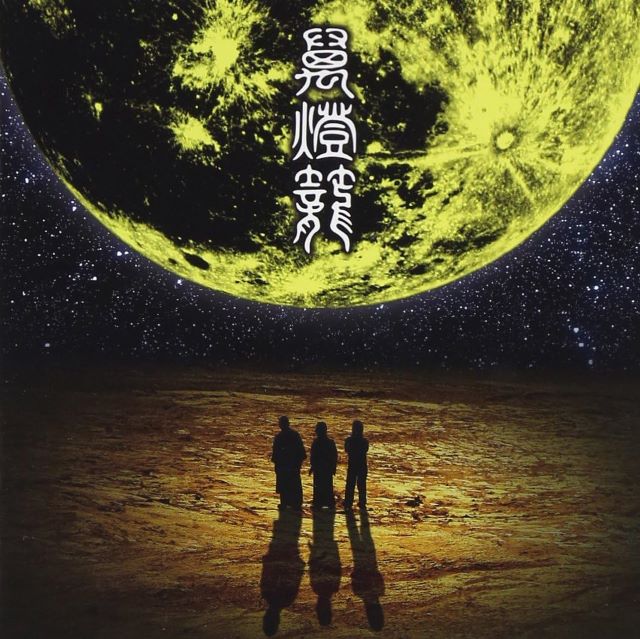
7. Mandoro (2013)
While ‘Shiganraisan’ already prefaced it, ‘Mandoro‘ is the true starting chapter to Ningen Isu’s late-career peak, which is still ongoing today. The album continues the increased focus on the band’s heavier foundation, though it does still contain some of Ningen Isu’s most varied songwriting in recent-ish years. Despite it being more streamlined than Ningen Isu has been in a long time, ‘Mandoro’ is the album on which the songs needed the largest amount of spins to convince me. But once they do, it’s hard to deny that both the songwriting and the performances are top-notch here. For such a heavy album, ‘Mandoro’ is remarkably subtle at times. Also, it’s kind of a pity ‘Shigan Goeika’ is just an intro track, because it’s awesome.
Recommended tracks: ‘Shigan Goeika’, ‘Kuroyuri Nikki’, ‘Jikan Kara no Kage’
Order ‘Mandoro’ from nearly anywhere in the world at CD Japan
Ningen Isu
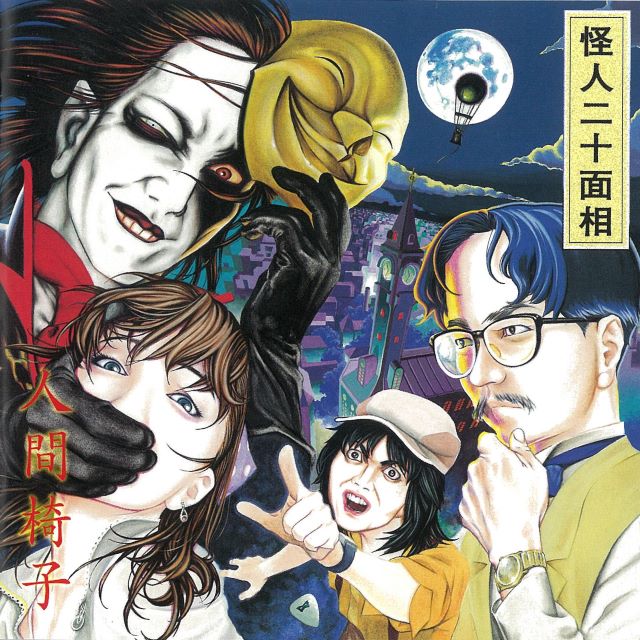
6. Kaijin Nijū Mensō (2000)
‘Kaijin Nijū Mensō’ was one of my favorite Ningen Isu albums when I first got into them. Being a concept album based on the titular antagonist from the novels of Edogawa Ranpo – The Fiend with Twenty Faces in English – gives the album a certain consistency, and overall sound is slightly more modern than usual. I still like the album a lot, since the tighter songwriting gives songs like ‘Jigoku Fūkei’, ‘Tanoshii Natsu Yasumi’, and the fantastic title track a character that could not have been on any other Ningen Isu album. The only reason why ‘Kaijin Nijū Mensō’ isn’t ranked higher is because its latter half is so much better than the former. Technically better than the other way around, but it briefly feels like a slog after the – once again, fantastic – title track.
Recommended tracks: ‘Kaijin Nijū Mensō’, ‘Daidan-en’, ‘Jigoku Fūkei’
Order ‘Kaijin Nijū Mensō’ from nearly anywhere in the world at CD Japan
Ningen Isu
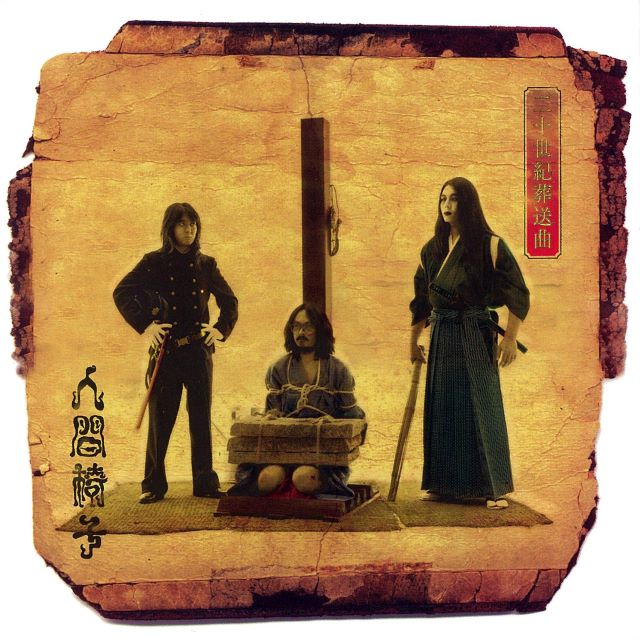
5. Nijūseiki Sōsōkyoku (1999)
Released bang in the middle of one of the most creative periods in Ningen Isu’s career, ‘Nijūseiki Sōsōkyoku’ is among their most underrated albums. It is notably more streamlined and overall more melancholic than its crazy predecessor, but that goes a long way in giving the album its fairly unique sonic character. The songwriting is fantastic across the board, and the band is more than happy to show off the immense skills of Masahiro Gotō, who despite his history with progressive masters Gerard delivers what I consider to be his best recorded performance here. At just under an hour long and with flawless track sequencing, ‘Nijūseiki Sōsōkyoku’ is best experienced in one sitting, and despite being surprisingly high on well-developed melodies, it has some of their darkest stuff.
Recommended tracks: ‘Kuroi Taiyō’, ‘Haru no Umi’, ‘Akatsuki no Dantōdai’
Ningen Isu
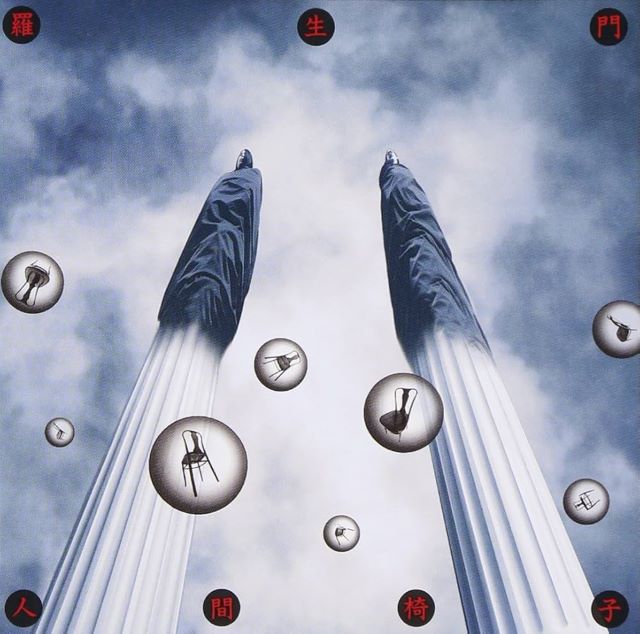
4. Rashōmon (1993)
The shortest album Ningen Isu ever released by quite a significant margin, and as such, ‘Rashōmon’ focuses on the band’s strengths and trims all the unnecessary fat that some of their longer albums have. It also means that the songs here are a bit faster on average, but that does not mean that the album is completely devoid of doom metal. The closing title track – a true Ningen Isu classic if there ever was one – as well as ‘Shide-Mushi no Uta’ and ‘Braun-Kan no Hanayome’ have got you covered if that’s what you want from the band. There is just a lot of excellent and fun uptempo stuff on here, though interestingly, none of the borderline thrash songs Ningen Isu occasionally does. I also really like how ‘Rashōmon’ is produced. It’s tighter, but without losing the lively interplay between the band members.
Recommended tracks: ‘Rashōmon’, ‘Motto Hikari wo!’, ‘Aomori Rock Daijin’
Order ‘Rashōmon’ from nearly anywhere in the world at CD Japan
Ningen Isu

3. Shin Seinen (2019)
Calling your album “new youth” – which is what ‘Shin Seinen’ translates to – when you are experiencing one career-wise seems a bit on the nose, though to be fair, the title is a reference to the literary magazine in which Edogawa Ranpo debuted. At fourteen songs and seventy minutes, I would normally consider ‘Shin Seinen’ slightly too long, but every single song on the album has something that pulls me in, and the track sequencing ensures that the album stays interesting throughout. It is a very well-produced album, and it may contain the best vocal performances on any Ningen Isu album. I particularly like the vocal harmonies. ‘Shin Seinen’, and ‘Mujō no Scat’ specifically, was a lot of people’s first introduction to Ningen Isu, and I think it works marvellously well as an introductory album.
Recommended tracks: ‘Shin Seinen Maegaki’, ‘Kagami Jigoku’, ‘Mujō no Scat’
Ningen Isu
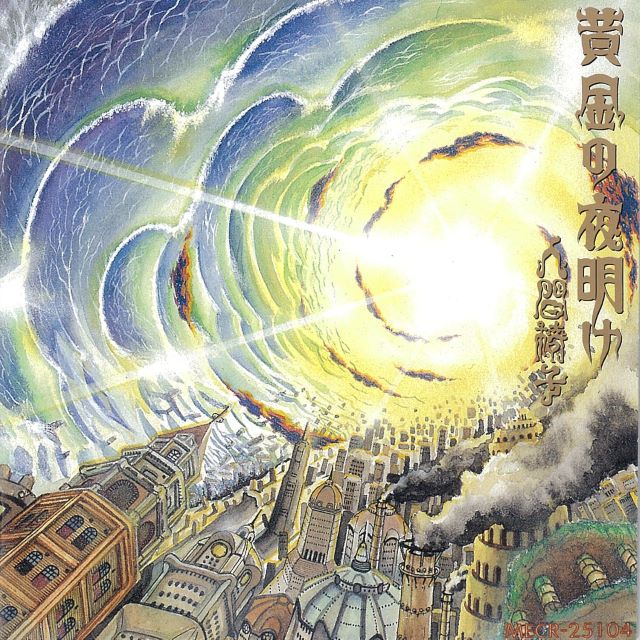
2. Ōgon no Yoake (1992)
After two promising albums, ‘Ōgon no Yoake‘ is Ningen Isu’s first masterpiece of an album, and it remained their magnum opus for over two decades. The band just sounds so much more confident on their third album, and it does not have a single weaker song. The overall tempo is a bit higher than on its predecessors, but with uptempo tracks as strong as ‘Kōfuku no Neji’ and the surprisingly laid-back ‘Shinpan no Hi’, that should not be an issue. The opening title track alone has more creative ideas than some bands have on entire albums. And Ningen Isu does all of that without the album ever sounding messy. in fact, ‘Ōgon no Yoake’ is a very smooth, pleasant listening experience. Also, closer ‘Kyōki Sanmyaku’ is one of the best doom metal tracks Ningen Isu ever recorded. A must-have.
Recommended tracks: ‘Ōgon no Yoake’, ‘Shinpan no Hi’, ‘Kyōki Sanmyaku’, ‘Kōfuku no Neji’
Order ‘Ōgon no Yoake’ from nearly anywhere in the world at CD Japan
Ningen Isu
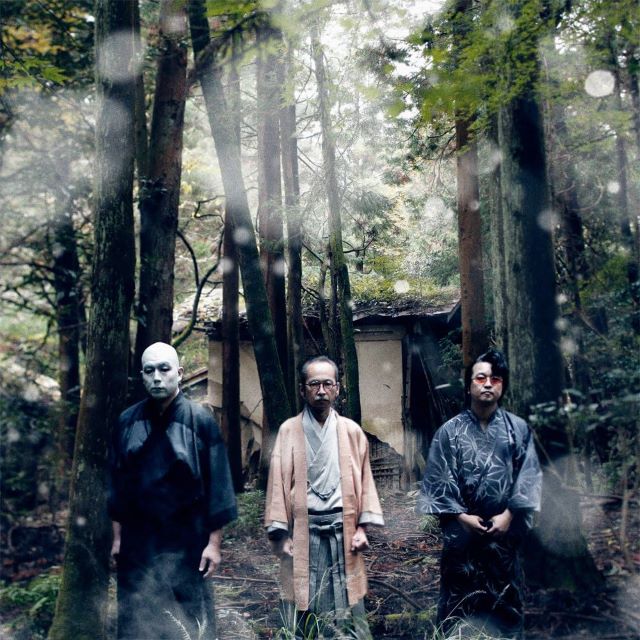
1. Kaidan Soshite Shi to Eros (2016)
Easily Ningen Isu’s heaviest album so far, ‘Kaidan Soshite Shi to Eros‘ is the album that sold me on them definitively. Everything I had heard of them before had its moments, but also its fair share of filler material. This one just grabbed me by the throat as soon as ‘Kyōfu no Daiō’ kicked off, and it refused to let go until the final notes of the spectacular closing epic ‘Madame Edwarda’ faded away. It may help that ‘Kaidan Soshite Shi to Eros’ is under an hour long, but what really makes the album so great is that the band constantly outdoes itself in terms of songwriting here. Literally every song is a masterpiece, and more heavily leaning into their progressive side has made the songs unpredictable and suspenseful, even after repeated spins. ‘Kaidan Soshite Shi to Eros’ still excites me as much as it did when I first heard it. I can’t think of a better justification for picking it as my number one.
Recommended tracks: ‘Madame Edwarda’, ‘Kikka no Kazoe Uta’, ‘Chōnōryoku ga Attanara’, ‘Hoichi Junan’
Order ‘Kaidan Soshite Shi to Eros’ from nearly anywhere in the world at CD Japan
Kaidan Soshite Shi to Eros [Limited Release]
Ningen Isu
Kaidan Soshite Shi to Eros [UHQCD]
Ningen Isu
 Kevy Metal
Leave a comment